


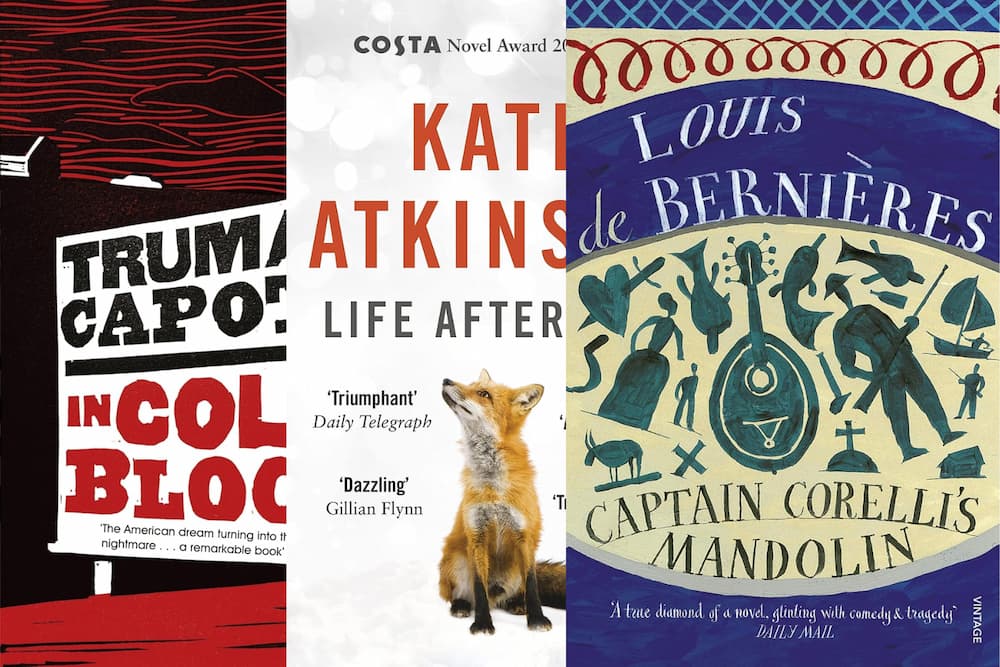
The team at Woodbridge Library share some of their favourite historical reads! Browse our staff picks and pick up a copy from your local library.
Want more suggested books? Take a look at our recommendations or explore more of the National Year of Reading campaign.
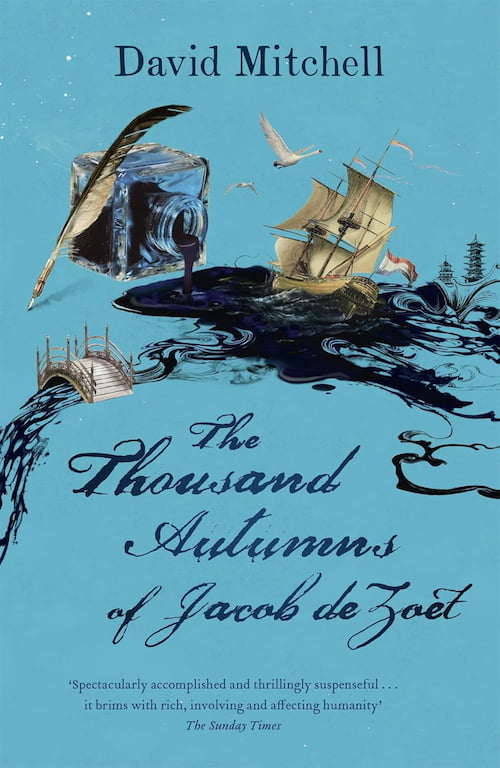
The Thousand Autumns of Jacob de Zoet
David Mitchell
In your hands is a place like no other: a tiny, man-made island in the bay of Nagasaki, for two hundred years the sole gateway between Japan and the West. Here, in the dying days of the eighteenth century, a young Dutch clerk arrives to make his fortune. Instead he loses his heart.
Step onto the streets of Dejima and mingle with scheming traders, spies, interpreters, servants and concubines as two cultures converge. In a tale of integrity and corruption, passion and power, the key is control – of riches and minds, and over death itself.
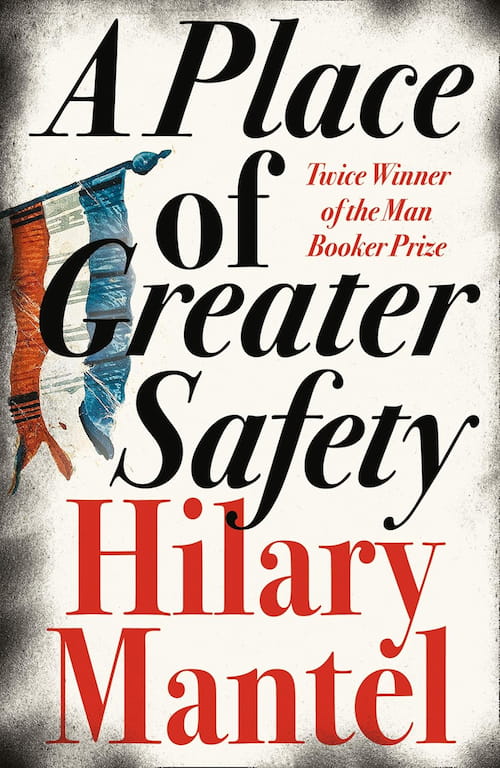
A Place of Greater Safety
Hilary Mantel
Georges-Jacques Danton: zealous, energetic and debt-ridden.
Maximilien Robespierre: small, diligent and terrified of violence.
And Camille Desmoulins: a genius of rhetoric, charming and handsome, yet also erratic and untrustworthy.
As these young men, key figures of the French Revolution, taste the addictive delights of power, the darker side of the period’s political ideals is unleashed – and all must face the horror that follows.
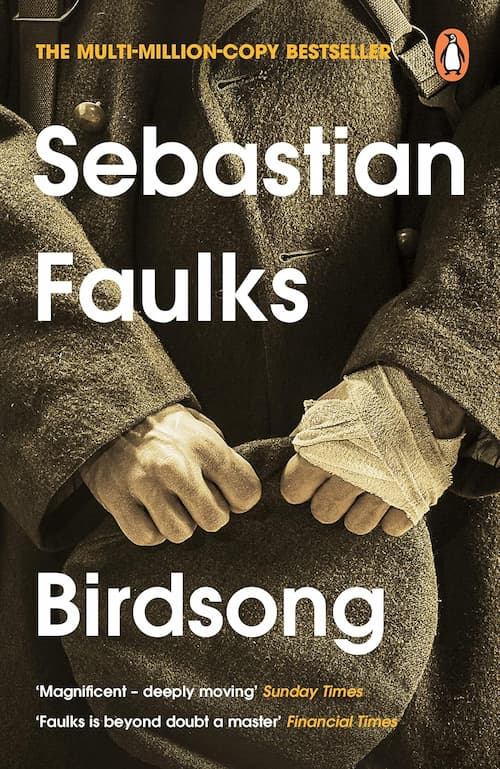
Birdsong
Sebastian Faulks
In the heat of the French summer of 1910, young Englishman Stephen Wraysford arrives in Amiens to stay with the Azaire family.
But soon a secret passion emerges that threatens to destroy the household.
Six years later, Stephen finds himself on the Western Front with civilization itself in the balance. And in a maze of tunnels under the trenches he will fight for everything he has known and loved.
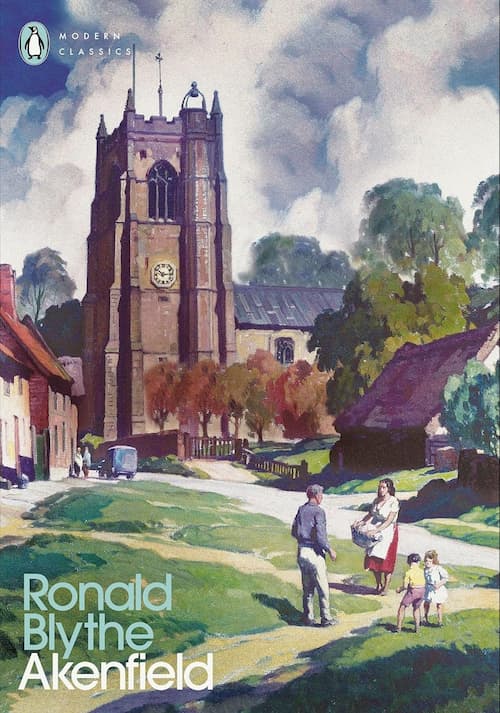
Akenfield
Ronald Blythe
Ronald Blythe’s perceptive and vivid evocation of the rural Suffolk he had known since childhood was acclaimed as an instant classic when it was published in 1969.
It reverberates with the voices of the village inhabitants, from the reminiscences of survivors of the Great War evoking days gone by, to the concerns of a younger generation of farm-workers and the fascinating and personal recollections of, among others, the local schoolteacher, doctor, blacksmith, saddler, district nurse and magistrate.
Providing insights into the land, education, welfare, class, religion and death, Akenfield forms a unique document of a way of life that has, in many ways, disappeared.
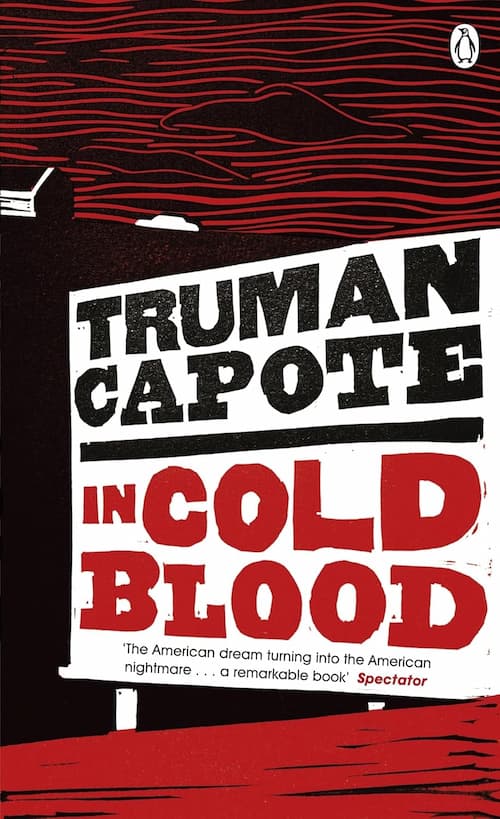
In Cold Blood
Truman Capote
On November 15, 1959, in the small town of Holcomb, Kansas, four members of the Clutter family were savagely murdered by blasts from a shotgun held a few inches from their faces. There was no apparent motive for the crime, and there were almost no clues.
In one of the first non-fiction novels ever written, Truman Capote reconstructs the murder and the investigation that led to the capture, trial, and execution of the killers, generating both mesmerizing suspense and astonishing empathy.
In Cold Blood is a work that transcends its moment, yielding poignant insights into the nature of American violence.
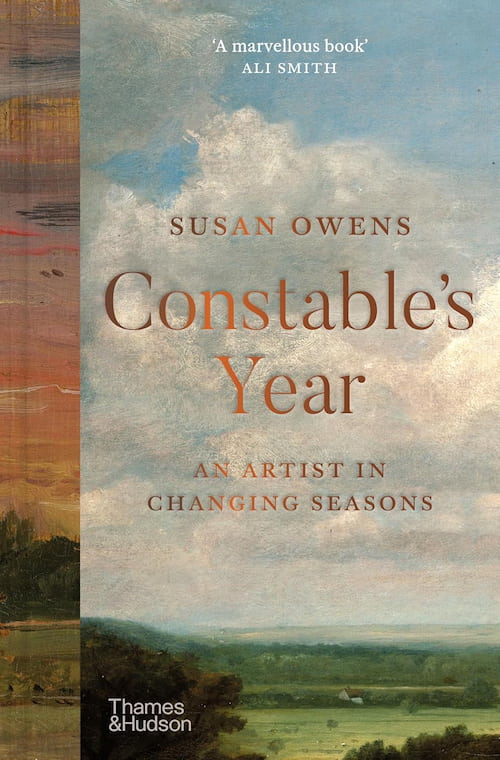
Constable’s Year: An Artist in Changing Seasons
Susan Owens
Shaped by the cycle of the natural world, a fresh look at the life and work of John Constable to celebrate the 250th anniversary of his birth in 2026.
As exhilarating as a lungful of oxygen: that’s how some of his contemporaries felt about John Constable’s paintings. Others, though, were baffled by his uncompromisingly fresh and realistic treatment of the natural world.
Susan Owens follows Constable through the seasons, tracing the rhythms and resonances of the artist’s year to offer a vivid, unconventional perspective on this beloved figure.
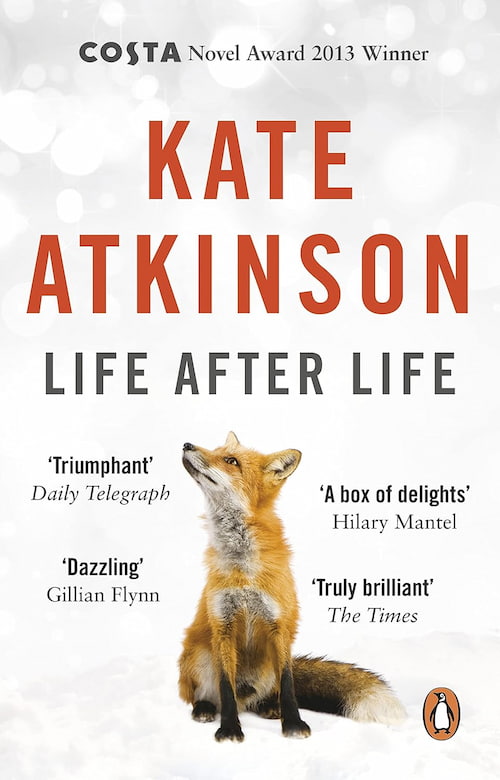
Life After Life
Kate Atkinson
What if you had the chance to live your life again and again, until you finally got it right?
During a snowstorm in England in 1910, a baby is born and dies before she can take her first breath. During a snowstorm in England in 1910, the same baby is born and lives to tell the tale.
What if there were second chances? And third chances? In fact an infinite number of chances to live your life? Would you eventually be able to save the world from its own inevitable destiny? And would you even want to?
‘Life After Life’ follows Ursula Todd as she lives through the turbulent events of the last century again and again. With wit and compassion, she finds warmth even in life’s bleakest moments, and shows an extraordinary ability to evoke the past.
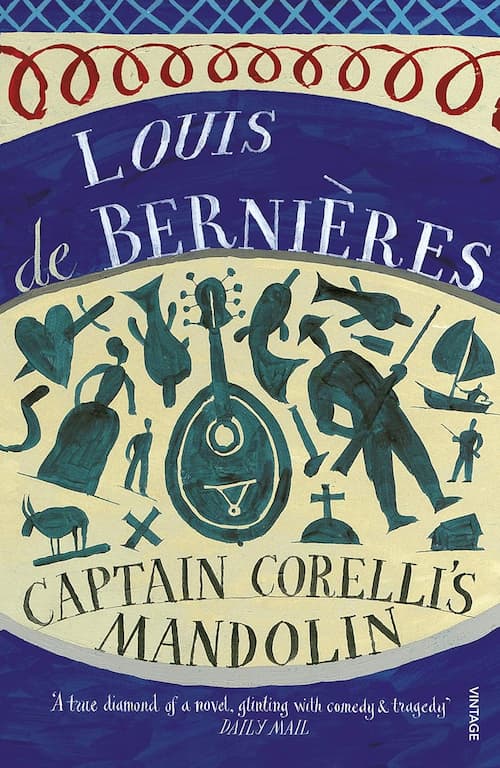
Captain Corelli’s Mandolin
Louis de Bernieres
It is 1941 and Captain Antonio Corelli, a young Italian officer, is posted to the Greek island of Cephallonia as part of the occupying forces. At first he is ostracised by the locals but over time he proves himself to be civilised, humorous – and a consummate musician.
When Pelagia, the local doctor’s daughter, finds her letters to her fiancé go unanswered, Antonio and Pelagia draw close and the working of the eternal triangle seems inevitable. But can this fragile love survive as a war of bestial savagery gets closer and the lines are drawn between invader and defender?
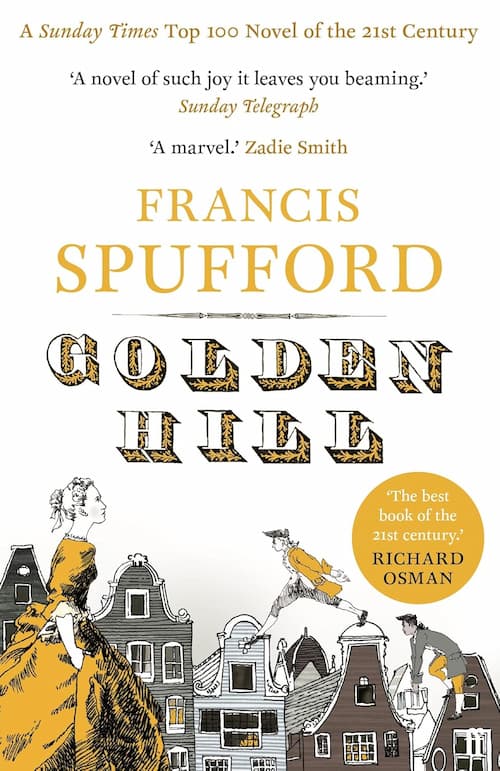
Golden Hill
Francis Spufford
One rainy evening in November, a handsome young stranger fresh off the boat pitches up at a counting-house door in Golden Hill Street: this is Mr Smith, amiable, charming, yet strangely determined to keep suspicion simmering.
For in his pocket, he has what seems to be an order for a thousand pounds, a huge amount, and he won’t explain why, or where he comes from, or what he can be planning to do in the colonies that requires so much money.
Should the New York merchants trust him? Should they risk their credit and refuse to pay? Should they befriend him, seduce him, arrest him- maybe even kill him?
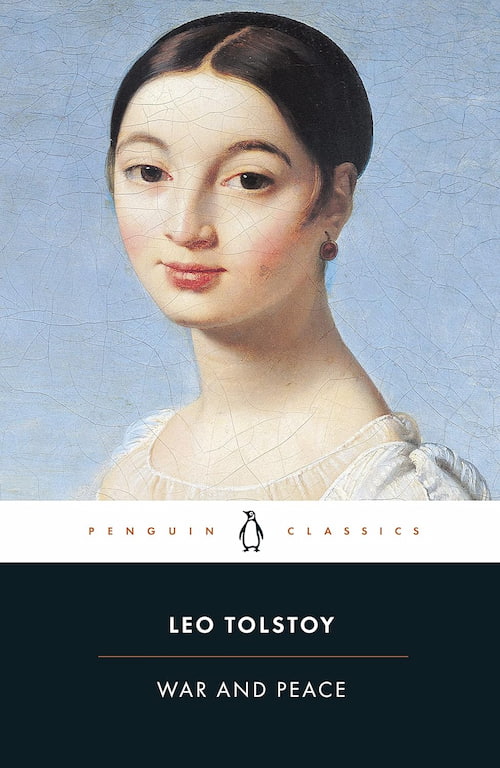
War and Peace
Leo Tolstoy
War and Peace begins at a glittering society party in St Petersburg in 1805, where conversations are dominated by the prospect of war.
Terror swiftly engulfs the country as Napoleon’s army marches on Russia, and the lives of three young people are changed forever.
The stories of quixotic Pierre, cynical Andrey and impetuous Natasha interweave with a huge cast, from aristocrats and peasants to soldiers and Napoleon himself.
 English
  Polish
  Lithuanian
  Romanian
  Portuguese
  Bengali