


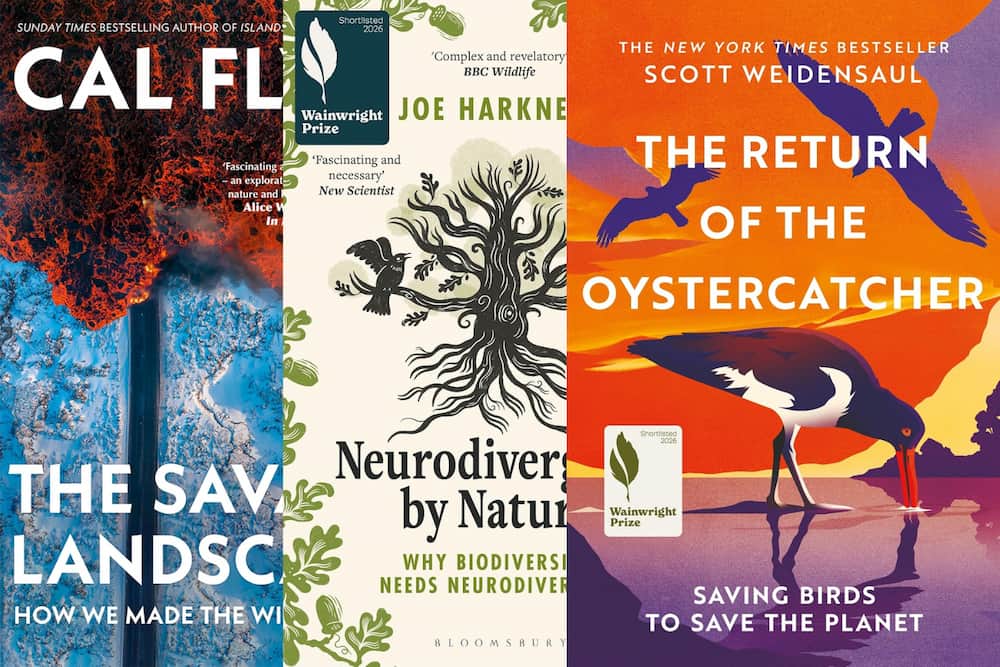
The Wainwright Prize recognises the power of words to shape a greener future, celebrating the books that help us see the natural world, and our place within it, more clearly.
Take a look at these books shortlisted for the 2026 Conservation Writing prize, now available to borrow with your library card.
Want more suggested books? Take a look at our recommendations.
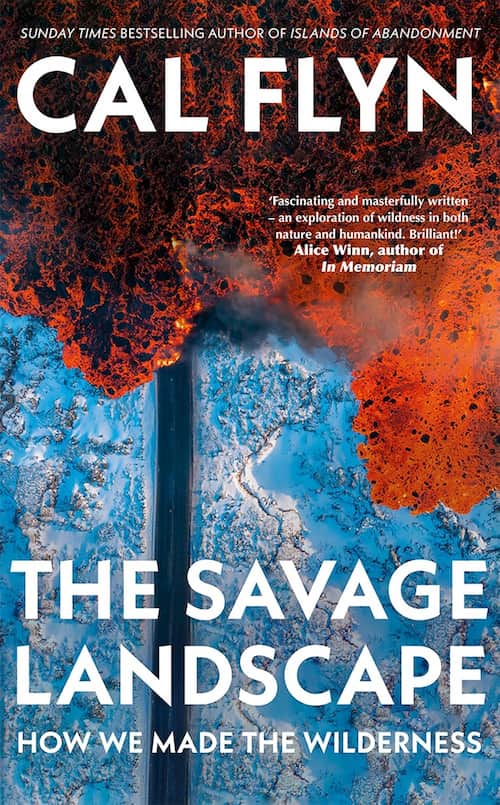
The Savage Landscape
Cal Flyn
‘The Savage Landscape’ takes us into the wild – deep into dark forests, to the top of mountains and into the heart of deserts. It addresses our deep yearnings to be awed and inspired by landscapes that remain beyond our reach and examines what nature gets up to in the absence of humans.
In 10 chapters, each loosely structured around a visit to some of the world’s wildest and most invigorating landscapes, the book asks provocative questions about the nature of wilderness and how wild places might best be appreciated or preserved. These locations have been chosen for their physical beauty, their perceived isolation, and the moral or emotional complexity of the human stories that can be found there.
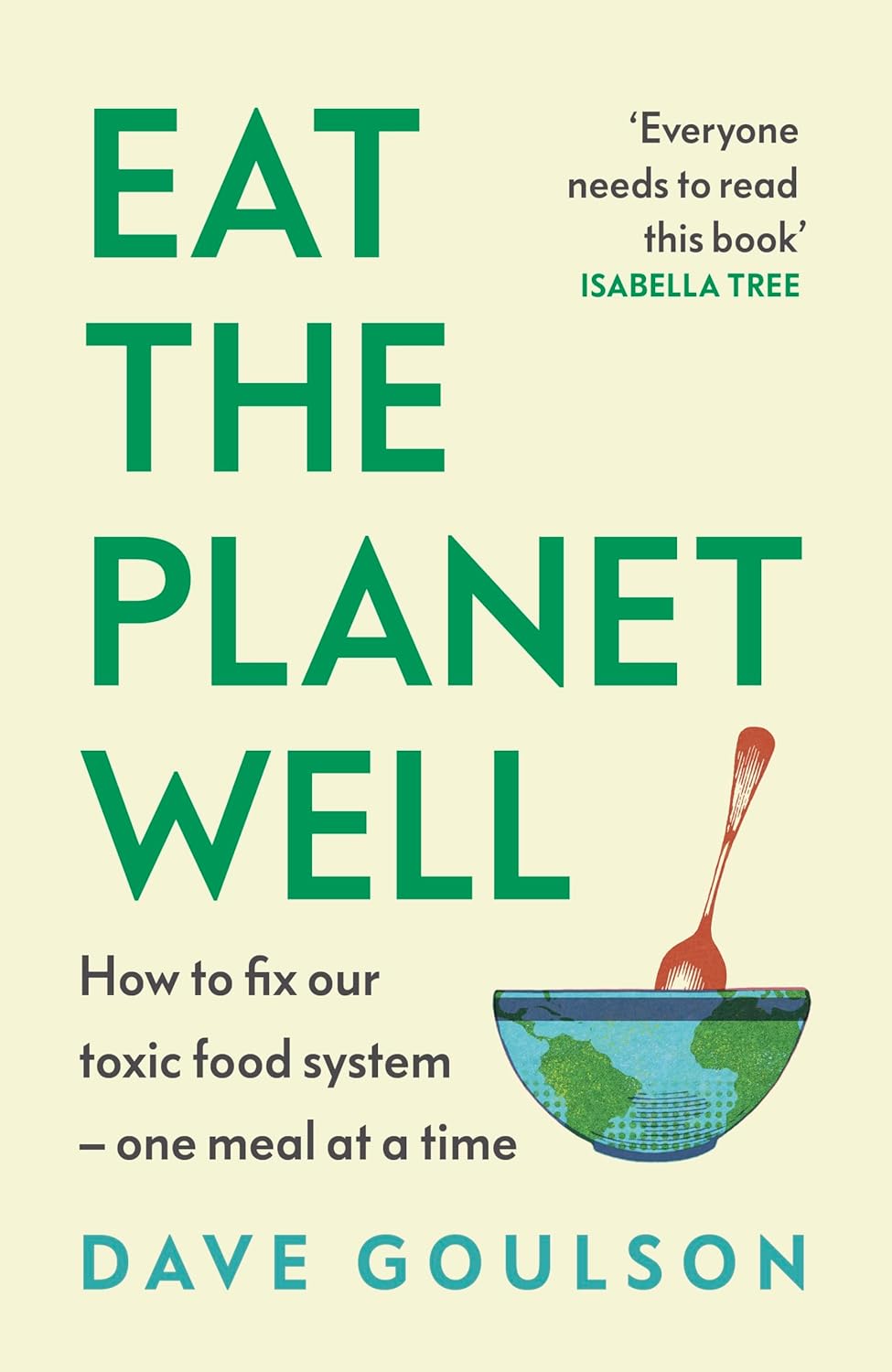
Eat the Planet Well: How to Fix Our Toxic Food System, One Meal at a Time
Dave Goulson
Should we all be vegan? Is organic food worth the extra cost? Which foods have the fewest harmful pesticides, and the lowest environmental impact? What exactly is a healthy diet? Can we fix our broken food system?
Our food system has become toxic: toxic to us, and toxic to our planet. Industrial use of pesticides, vast monocrops, ultra-processed foods and unmitigated waste is built into a system that is destroying the environment and our health. But there are solutions, and lots of them.
While governments stall, we all need to take responsibility for what we consume. We all have a part to play in fixing our food system. With insight and humour, Dave Goulson cuts through the information overload to examine the tricky questions we all face, and offers an optimistic vision of a better, more stable future.
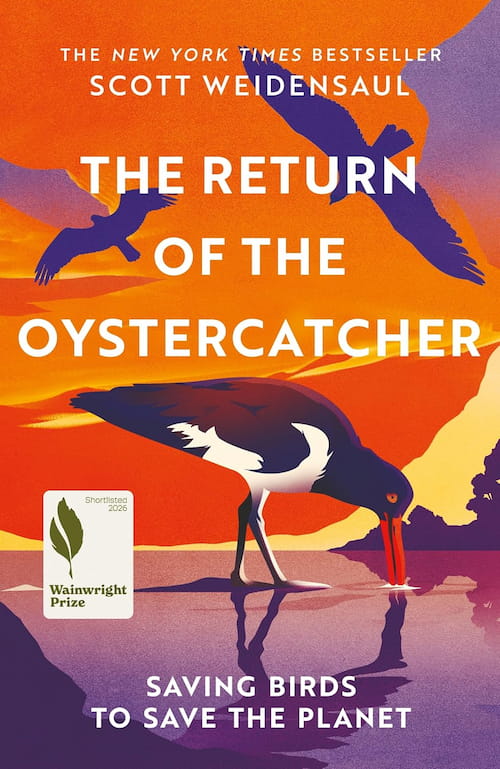
The Return of the Oystercatcher: Saving Birds to Save the Planet
Scott Weidensaul
Across the world, scientists, conservationists and ordinary people are involved in groundbreaking work to restore billions of lost birds. Together they’re tackling the hollowing out of the springtime dawn chorus and the withering away of once-great migration multitudes.
From a tiny island off the coast of Maine to the middle of the Pacific Ocean, to a hereditary estate in England, the deep Carpathian Mountains in Romania and a watery wilderness in Ukraine where air-raid sirens scream at night, birds’ fortunes are being reversed.
In this book, natural history writer Scott Weidensaul tells the uplifting story of that success and what it means for us and for our planet, too. Because a world that works for birds, in all their complexity of movement and ecological need, will work for everything else. Including people.
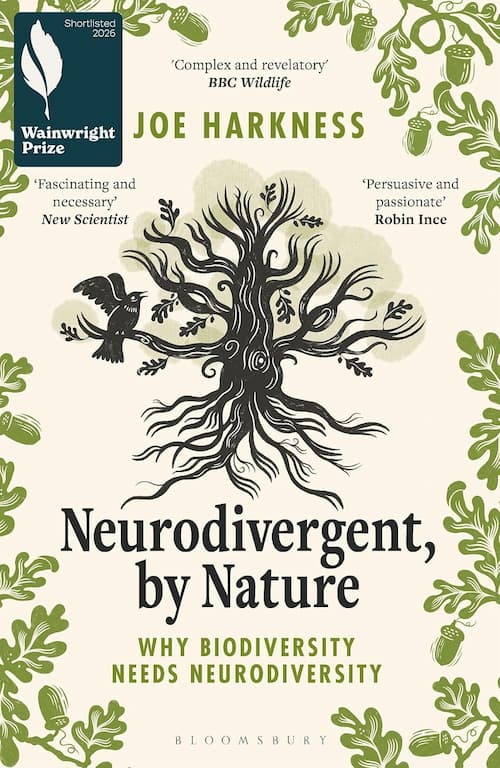
Neurodivergent, by Nature: Why Biodiversity Needs Neurodiversity
Joe Harkness
Why are so many neurodivergent people drawn to the natural world – and what does that tell us about how we live and work?
After receiving an ADHD diagnosis in his thirties, Joe Harkness set out to better understand his lifelong bond with nature. In doing so, he began a wider investigation, speaking to neurodivergent people across conservation, ecology and other nature-based roles.
Threading these conversations with his own experience, Joe explores the skills, perspectives and passions that neurodivergent people bring to the sector, alongside the barriers they still face. From fieldwork to policy, from grassroots projects to major organisations, their stories reveal how different ways of thinking shape our relationship with the natural world.
At once personal and wide-ranging, Neurodivergent, by Nature offers a fresh perspective on biodiversity, inclusion and what more supportive environments – in nature and beyond – might look like.
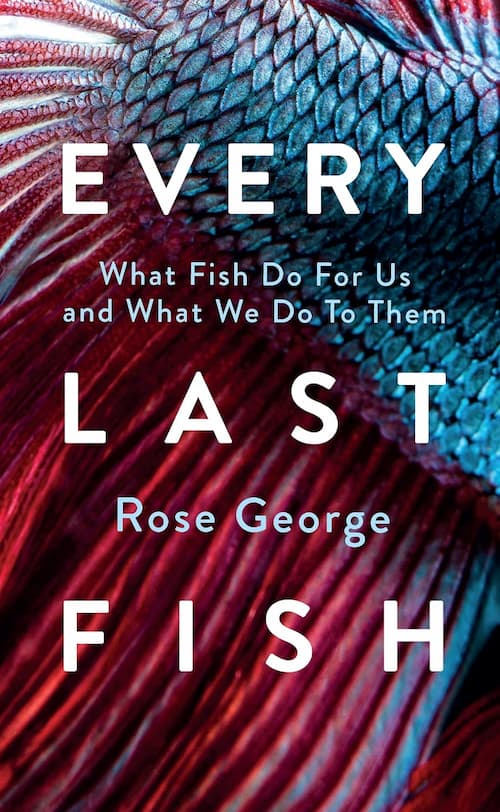
Every Last Fish: What Fish Do for Us and What We Do to Them
Rose George
Cold-blooded, slippery, wet and strange: fish can be hard to think of as fellow animals and easier to consider as food. But what do we know of these creatures on our plates, and what do we know of how they got there?
In ‘Every Last Fish’, Rose George takes us inside the vast legal industries that support our appetite for fish fingers and salmon sandwiches, and the equally colossal illegal fishing trade whose practices and standards are unmonitored and often dangerous.
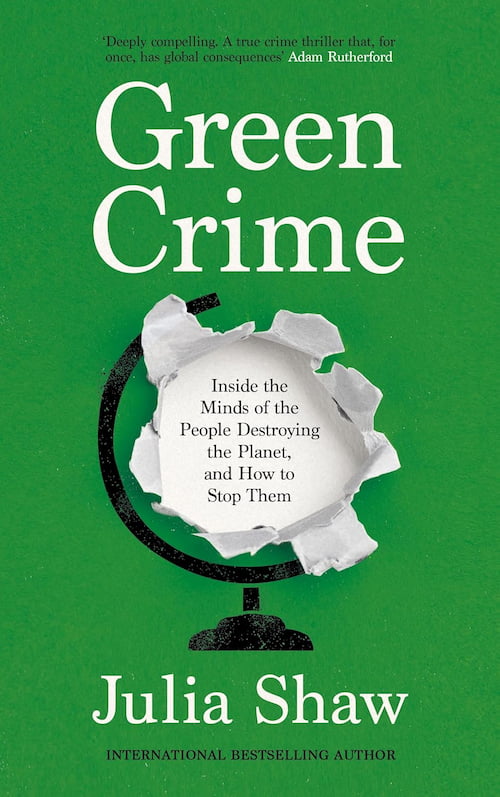
Green Crime: Inside the Minds of the People Destroying the Planet, and How to Stop Them
Dr Julia Shaw
Traffickers. Hit men. Outlaws. Thieves. Our planet is a crime scene – but we can catch the killers?
Enter a world where people are murdered, ecosystems are destroyed, organised criminals terrorise communities and corporate gangsters operate outside the law. And, closely following their every move, are teams of secret agents, vigilantes and scientists who are fighting for our planet’s future.
Using insider sources and her expertise as a criminal psychologist, Dr Julia Shaw takes us deep into some of the worst environmental crimes of our time. She reconstructs the minds of the perpetrators in cases like the Deepwater Horizon oil spill, the Dieselgate emissions scandal, and the Shuidong wildlife crime syndicate.
From the Amazon forest to South African gold mines she follows the impact of green crimes right to our doorsteps, and profiles the work of the heroes bringing these criminals to justice.
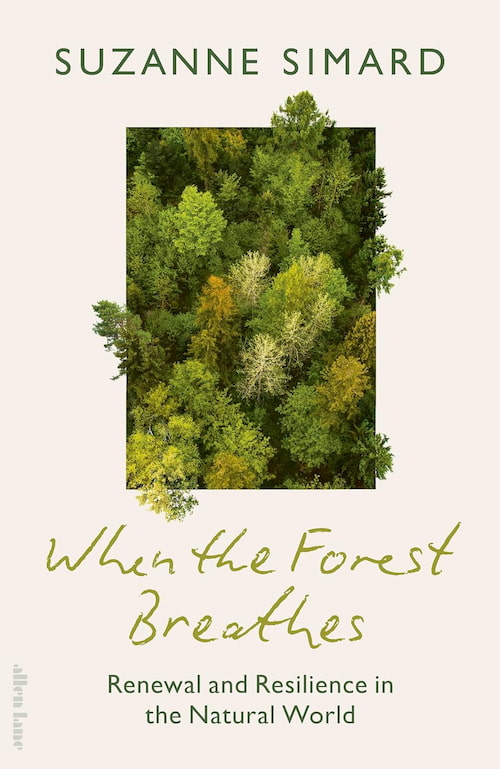
When the Forest Breathes: Renewal and Resilience in the Natural World
Suzanne Simard
In ‘Finding the Mother Tree’, forest ecologist Suzanne Simard introduced the world to the profound intelligence and interconnectedness of trees. Now, with ‘When the Forest Breathes’, she uncovers the ways that nature’s deep-rooted cycles of renewal can ensure the longevity of threatened ecosystems.
Raised in a family of loggers committed to sustainable forest stewardship, Simard has watched as timber companies leave forests at higher risk for wildfires, water crises, and plant and animal extinction. But her research has the potential to chart a new course.
Working closely with local Indigenous communities, whose models of responsible forestry have been largely dismissed, Simard examines how holistic, place-based, and culturally attuned forestry that protects the connections, relationships and cycles of the forest can help solve the global climate crisis.
 Bengali
  English
  Polish
  Lithuanian
  Romanian
  Portuguese