


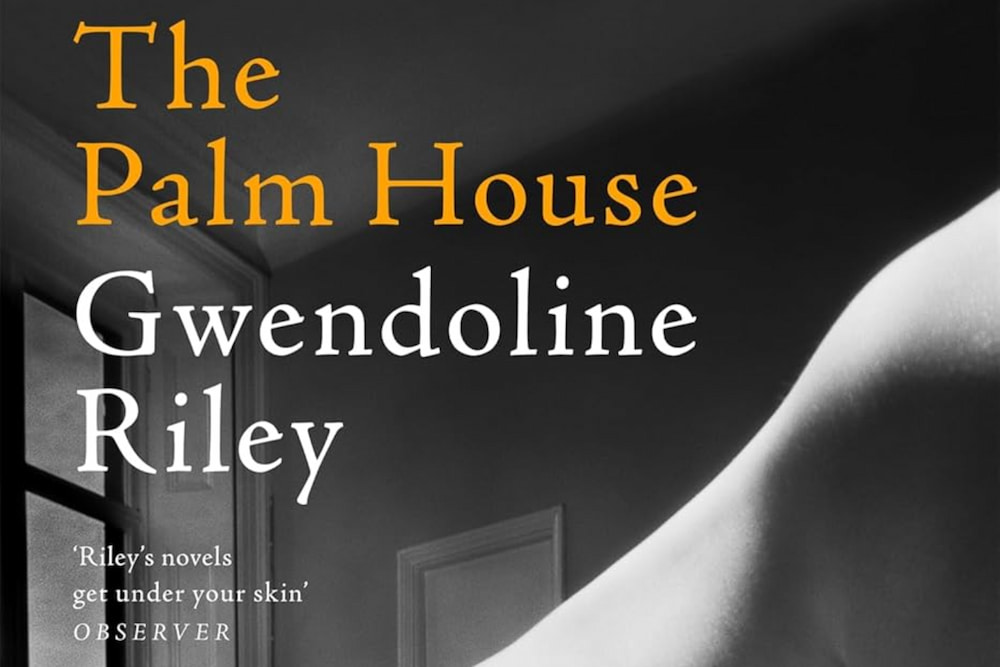
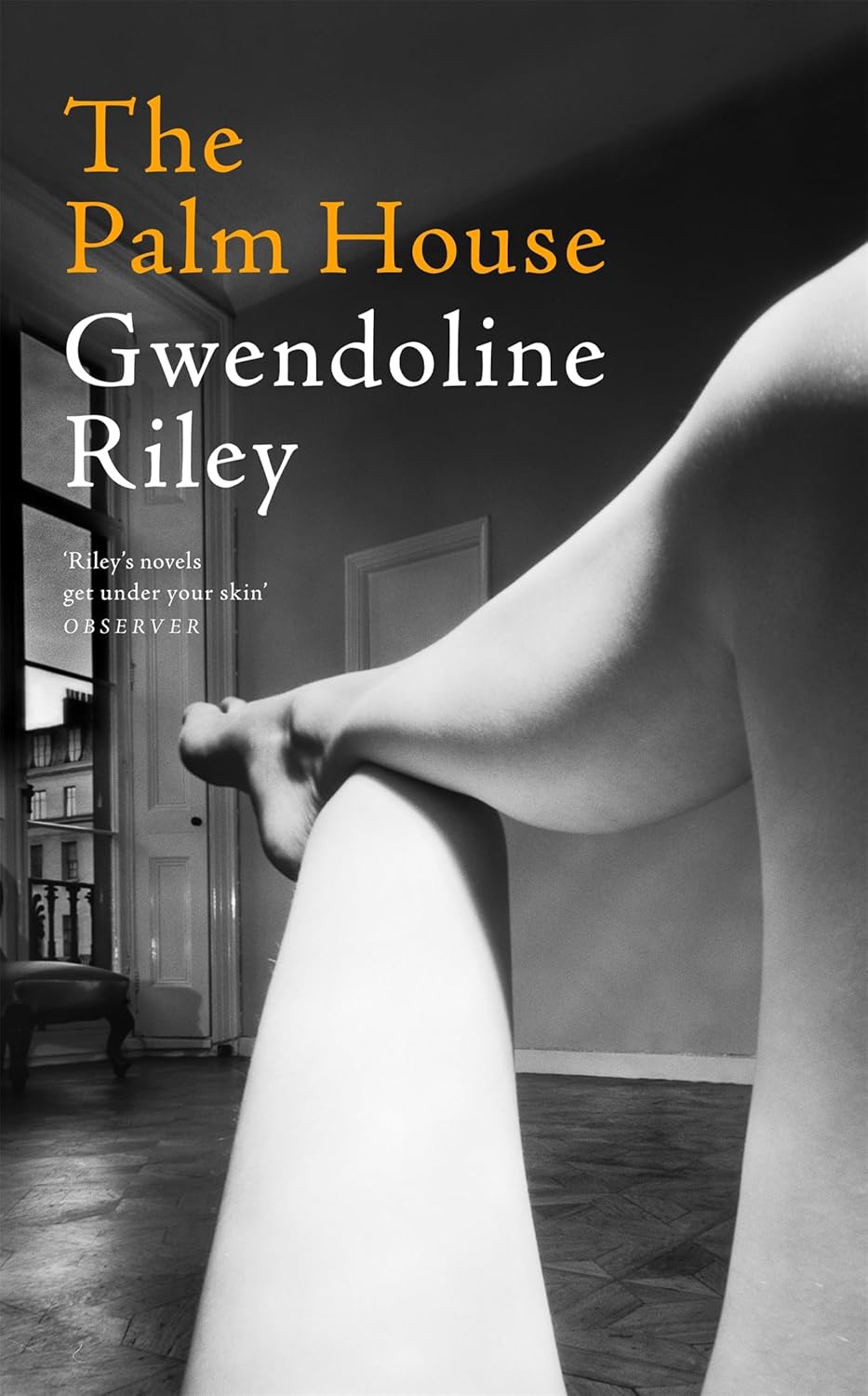
Volunteer book reviewer Lucy shares her thoughts on The Palm House by novelist Gwendoline Riley, a sharply observed, slyly funny novel of enduring friendships and small mercies.
Interested in reading The Palm House? You can borrow a copy from our online catalogue to be collected at any Suffolk library.
Apie The Palm House
Laura Miller and Edmund Putnam have been friends for a long time. Theirs is a happy meeting of minds, with long evenings spent huddled in an ancient pub by the Thames, where they share office gossip, reflect on their teenage passions, and lament the state of the world.
Recently, though, Putnam has been harder to reach: he has lost his father, and the magazine to which he has dedicated his life has been hijacked by an insufferable new editor, Simon ‘call me Shove’ Halfpenny.
Laura has her own problems: with a prickly mother and a tricky past, and in a beautiful and indifferent city, her day-to-day life is precarious. But as Putnam starts to sink into despondency, she must try to bring him back.
Lucy’s Review
The Palm House is the recent offering from Gwendoline Riley and is currently longlisted for the Booker Prize 2026.
In present day, Laura watches with concern as Sequence is slowly destroyed by its new editor. Her friend, Ed Putnam, an older belligerent bachelor, “who is Sequence” (as written in the novel), spirals into despair and victimhood. Simultaneously, Laura reflects on her life, delving into disastrous family holidays, inappropriate teenage relationships and her frustration with her mother.
While The Palm House doesn’t particularly feature in the novel, it has been suggested that the title stands as a metaphor for the cosy and incubative friendship between Laura and Putnam (as written by Clare Clark in their review for The Guardian). However, while I think Riley skilfully depicts several friendships in the novel, such as the comradery between the writing team at Sequence or Laura’s awkward teenage friendship with fellow celebrity-obsessive Anna, I find Laura and Putnam’s friendship surprisingly absent. After opening the novel, we only see the friendship in brief interludes, with Laura visiting Putnam’s flat and discussing politics or, more mundane topics, like his cats.
The novel seems to spend more time on her fleeting and non-committal relationship with the theatre actor Lawrence Wells, which is genuinely entertaining. He comes across as a tamer, more benign, Withnail, but with the character’s distinct eccentricity.
They are divided by their class and life experiences (Laura went to a grammar school, whereas Wells is a Londoner, with extensive capital behind him) but appear to share a common disinterest in commitment. Wells is a man of contradiction, being open and spirited, perpetually performing a skit or going into character, and yet possessing comedic stubbornness – ‘shan’t’ seems to be his favourite word.
As a reader, you feel propelled through the novel, even if it’s not quite clear what conclusion the author is driving at when it arrives. What particularly compels you to keep reading, however, is Riley’s skill in deftly articulating social dynamics, awkwardness and how people can unknowingly reveal themselves.
Recommendation: If you like incisive, articulate and contemplative writing, then you are sure to enjoy this novel.
 Lithuanian
  English
  Polish
  Romanian
  Portuguese
  Bengali