


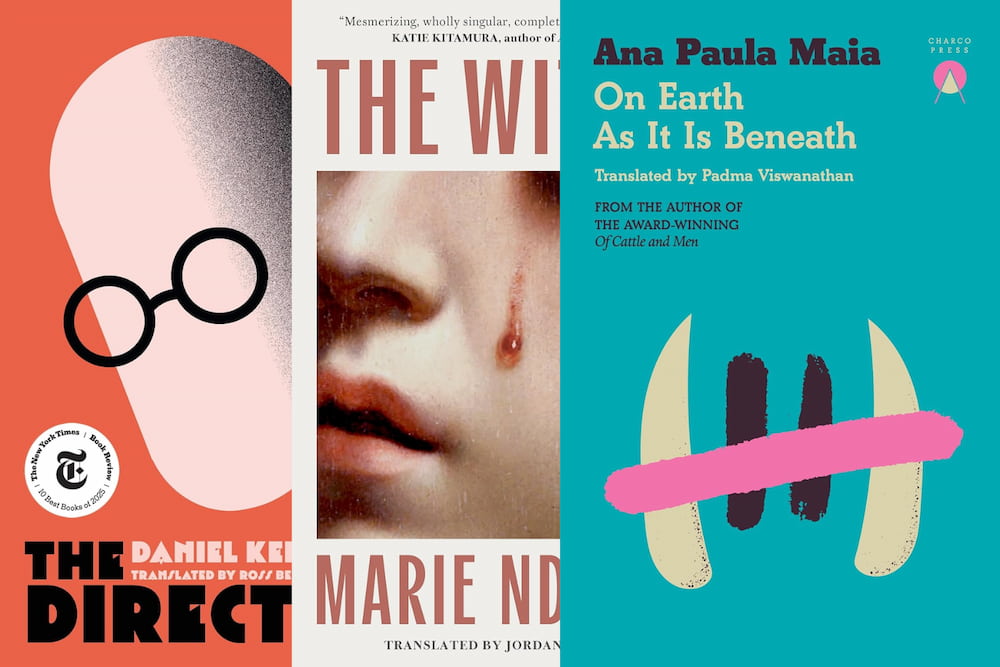
The International Booker Prize has announced its shortlist for 2026! The Prize highlights influential works of fiction that have been translated into English.
Take a look at these six remarkable titles, available to borrow with your library card!
Want more suggested books? Take a look at our recommendations.
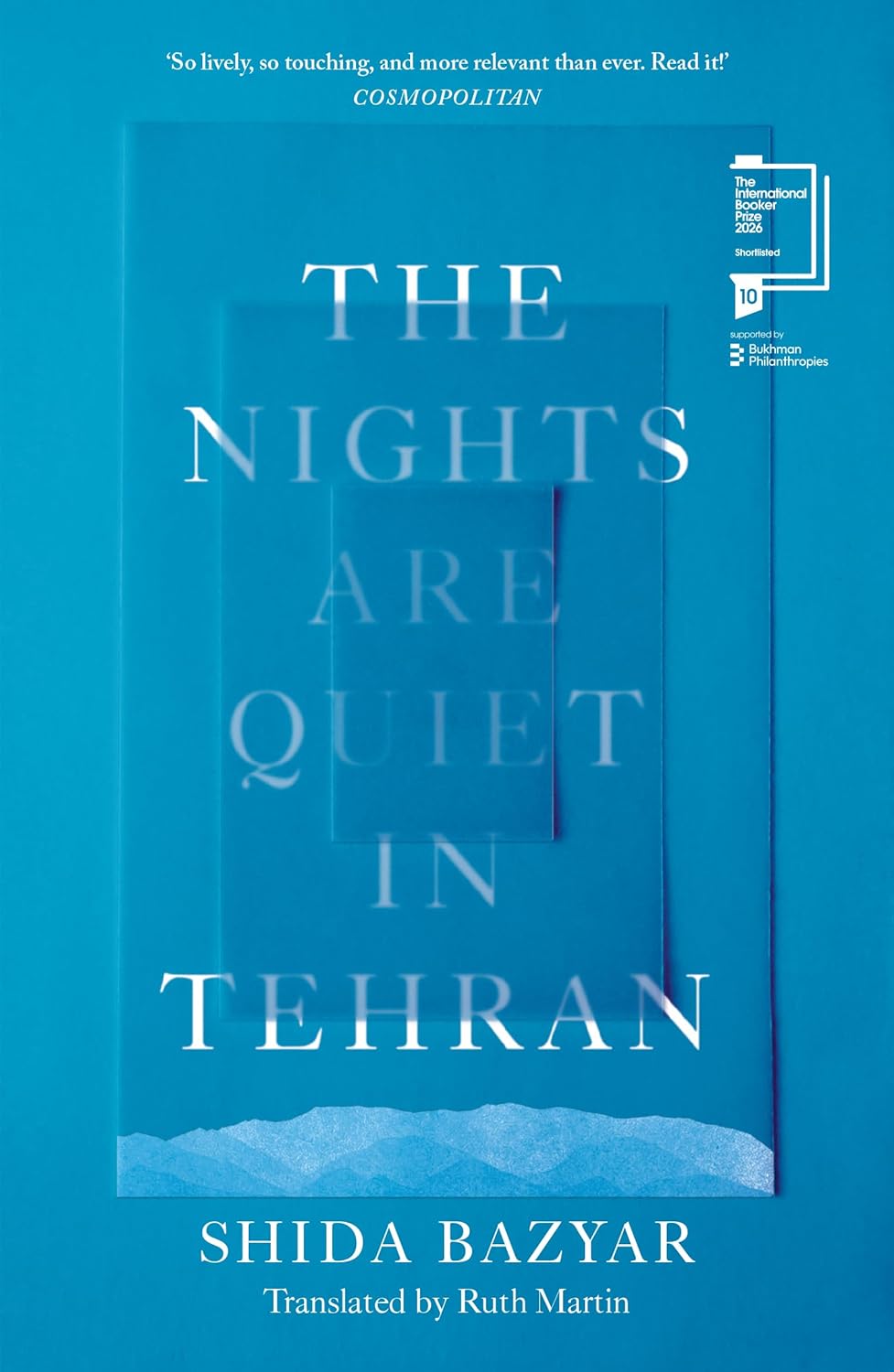
The Nights Are Quiet in Tehran
Written by Shida Bazyar, translated by Ruth Martin
1979. Behsad, a young communist revolutionary, fights with his friends for a new order after the Shah’s expulsion. He tells of sparking hope, of clandestine political actions, and of how he finds the love of his life in the courageous, intelligent Nahid.
1989. Nahid lives her new life in West Germany with Behsad. With their young children, they spend hour after hour in front of the radio, hoping for news from others who went into hiding after the mullahs came to power.
1999. Laleh returns to Iran with her mother, Nahid. Between beauty rituals and family secrets, she gets to know a Tehran that hardly matches her childhood memories.
2009. Laleh’s brother Mo is more concerned with a friend’s heartbreak than with student demonstrations in Germany. But then the Green Revolution breaks out in Iran and turns the world upside down…
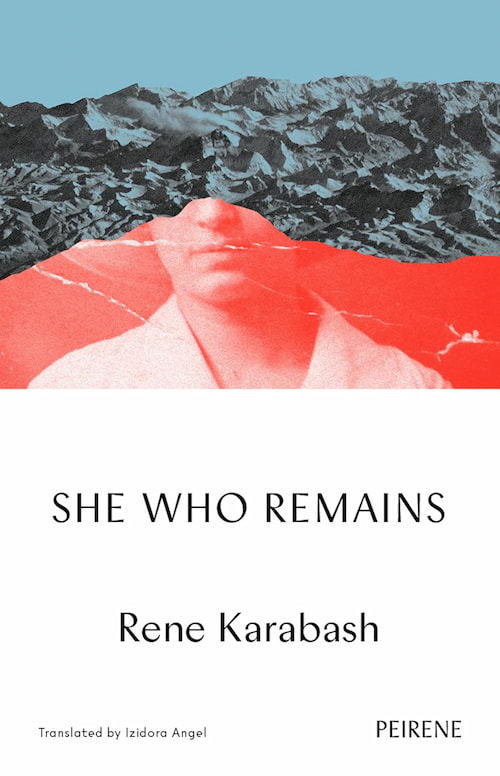
She Who Remains
Written by Rene Karabash, translated by Izidora Angel
High in the Accursed Mountains, in a village ruled by the ancient laws of the Kanun, Bekja escapes an arranged marriage by becoming a sworn virgin, renouncing her womanhood to live as a man.
Her decision sets off a brutal chain of events, destroying her family and separating her from the one she loves the most.
Years later, as Bekija – now Matija – tells their story to a visiting journalist, long-buried truths come to light, along with the realisation of all that might have been.
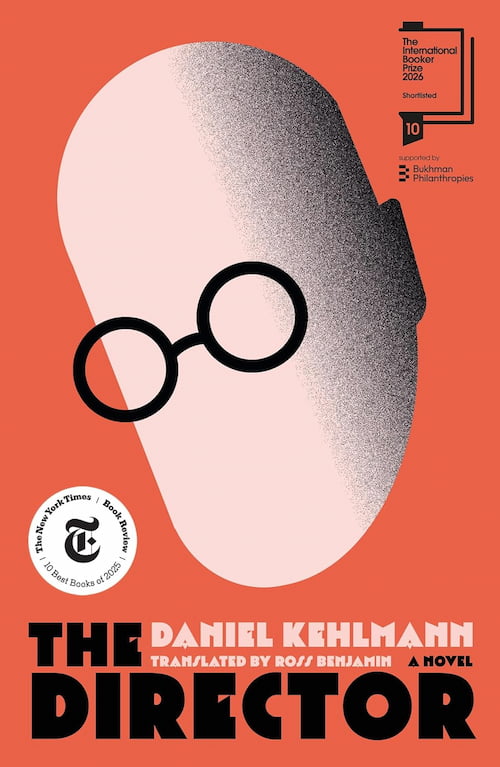
The Director
Written by Daniel Kehlmann, translated by Ross Benjamin
G.W. Pabst, one of cinema’s greatest, perhaps the greatest director of his era: when the Nazis seized power he was filming in France, to escape the horrors of the new Germany he flees to Hollywood.
But under the blinding California sun, the world-famous director suddenly looks like a nobody. Not even Greta Garbo, who he made famous, can help him. And thus, almost through no fault of his own, he finds himself back in his homeland of Austria, which is now called Ostmark. The returning family is confronted with the barbaric nature of the regime.
But Goebbels, the minister of propaganda in Berlin, wants the film genius, he won’t take no for an answer and makes big promises. While Pabst still believes that he will be able to resist these advances, that he will not submit to any dictatorship other than art, he has already taken the first steps into a hopeless entanglement.
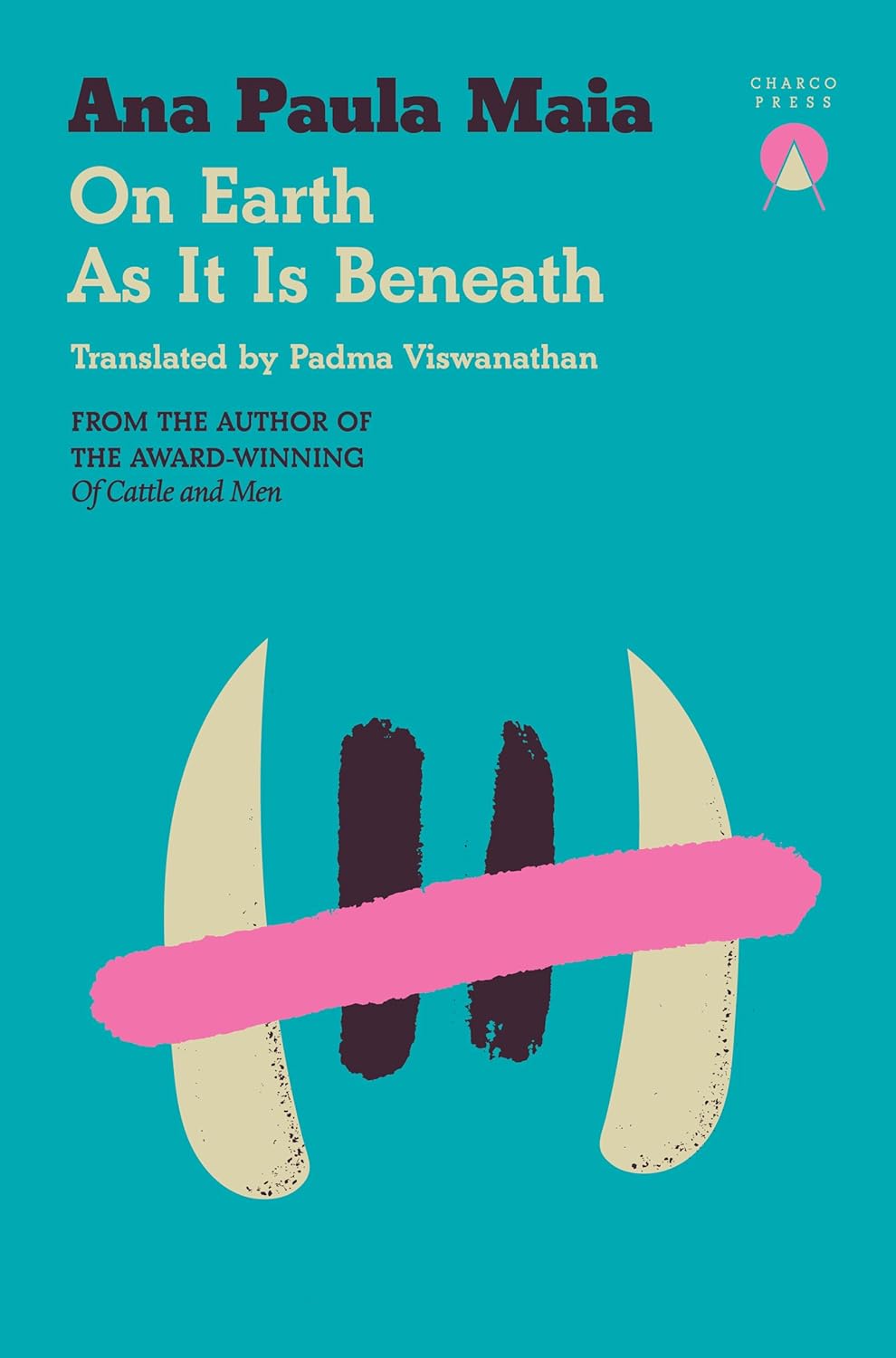
On Earth As It Is Beneath
Written by Ana Paula Maia, translated by Padma Viswanathan
On land where enslaved people were once tortured and murdered, the state built a penal colony in the wilderness, where inmates could be rehabilitated, but never escape.
Now, decades later, and having only succeeded in trapping men, not changing them for the better, its operations are winding down. But in the prison’s waning days, a new horror is unleashed: every full-moon night, the inmates are released, the warden is armed with rifles, and the hunt begins.
Every man plans his escape, not knowing if his end will come at the hands of a familiar face, or from the unknown dangers beyond the prison walls.
Ana Paula Maia has once again delivered a bracing vision of our potential for violence, and our collective failure to account for the consequences of our social and political action, or inaction. No crime is committed out of view for this novelist, and her raw, brutal power enlists us all as witness.
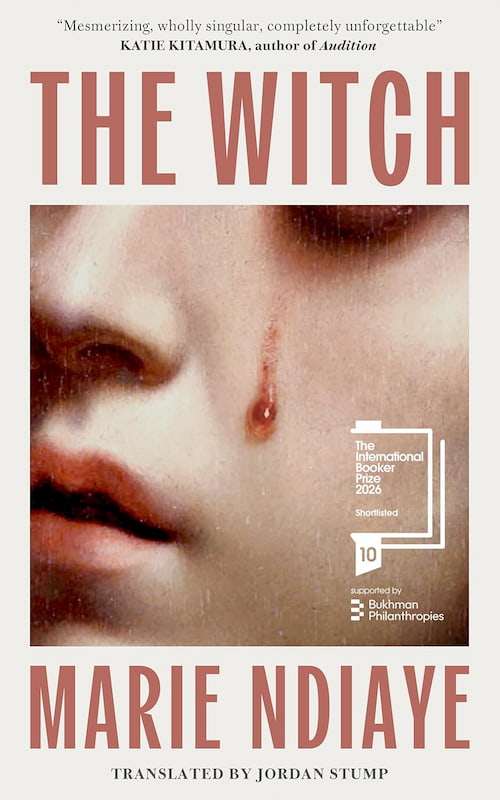
The Witch
Written by Marie NDiaye, translated by Jordan Stump
Lucie comes from a long line of witches, powers passed down from mother to daughter. Her own mom was formidable in her powers, but ashamed of her magic.
Perhaps as a result, Lucie’s own gift is weak: she can see into the future, sometimes-but more often, she can only see the present of some other location. Not very useful. And the worst part? All she can ever see are insignificant details – a scrap of outfit, the colour of the sky.
Lucie’s own children are initiated into their family’s peculiar womanhood when they reach twelve years of age, and in a few short months, Maud and Lise are crying the curious tears of blood that denote their magical powers. Having learned, they take off quickly and fly the nest. Literally.
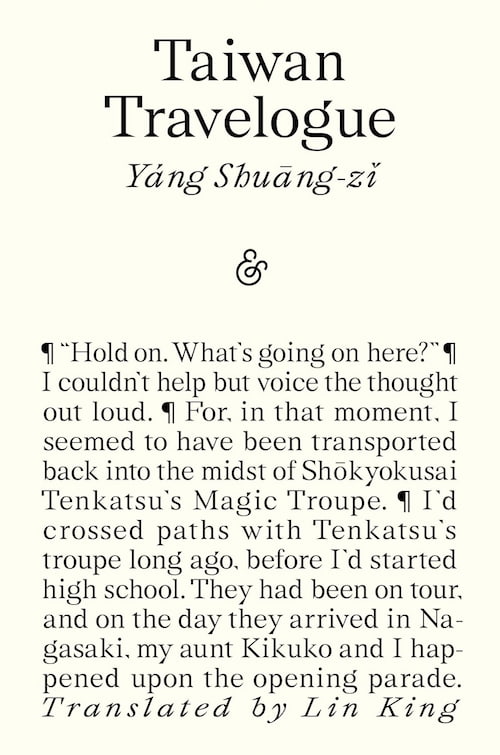
Taiwan Travelogue
Written by Yáng Shuāng-zǐ, translated by Lin King
Disguised as a translation of a rediscovered text by a Japanese writer, ‘Taiwan Travelogue’ is a bittersweet story of love between two women, nested in an artful exploration of language, history and power.
Set in May 1938, the young novelist Aoyama Chizuko sails from her home in Nagasaki, Japan to Taiwan upon the invite of the Japanese government ruling the island. She has no interest in official banquets or imperialist agenda but instead finds – with the help and companionship of her Taiwanese interpreter, Chizuru – a desire to experience real island life and to taste as much of its authentic cuisine as her famously monstrous appetite can bear.
Over scenic train rides and braised pork rice, lively banter and winter melon tea, Chizuko grows infatuated with her companion and intent on drawing her closer. But something causes Chizuru to keep her distance.
 English
  Polish
  Lithuanian
  Romanian
  Portuguese
  Bengali