


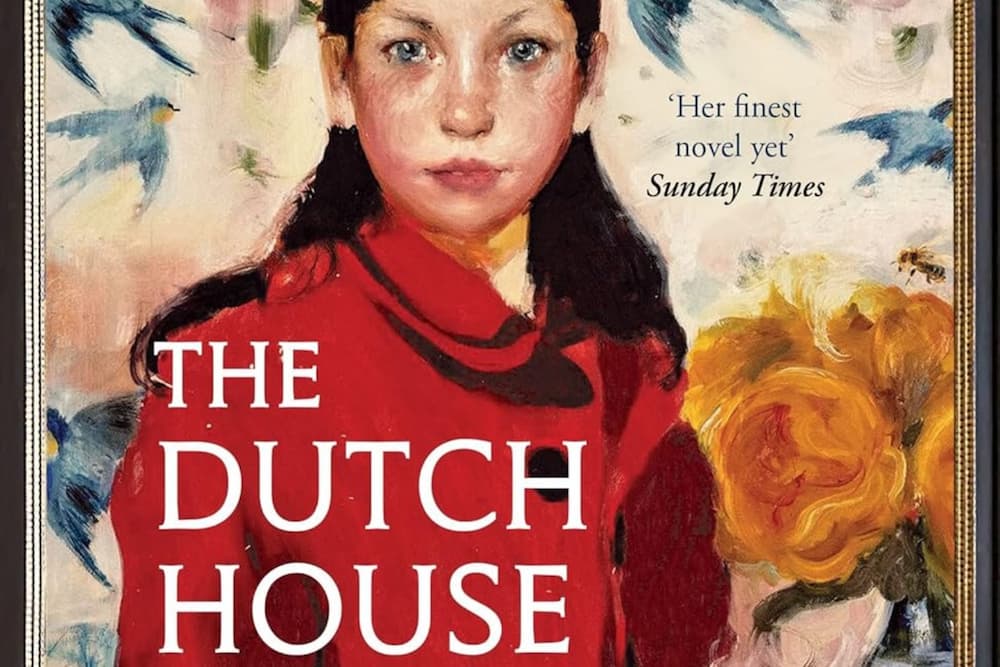
Interested in reading The Dutch House? You can borrow a copy from our catalogue →
Apie The Dutch House
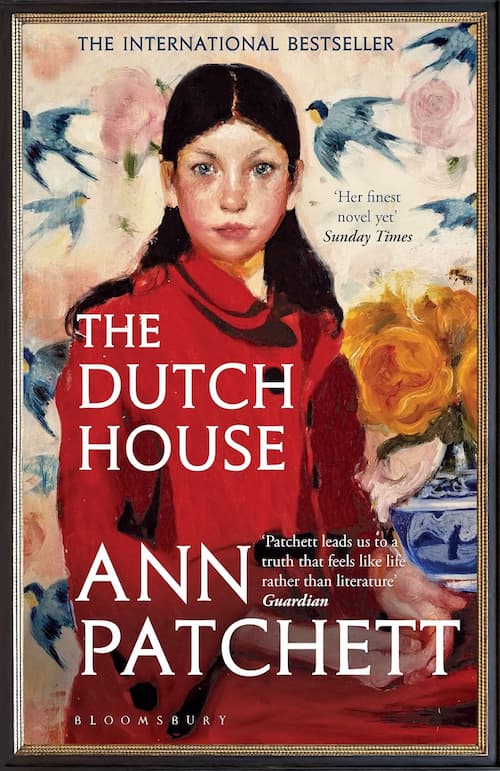
In the economic boom following the Second World War, Cyril Conroy’s real estate investments take his family from poverty to enormous wealth. With it he buys the Dutch House, a lavish mansion in the Philadelphia suburbs. Meant as a surprise for his wife, the house sets in motion the undoing of everyone he loves.
Danny Conroy grows up in the opulence of the Dutch House. Though his father is distant and his mother is absent, Danny has his beloved sister Maeve: Maeve, with her wall of black hair, her wit, her brilliance. The siblings grow and change as life plays out under the watchful eyes of the house’s former owners, in the frames of their oil paintings.
Then one day their father brings home Andrea, a new stepmother. Though they cannot know it, her arrival to the Dutch House sows the seed of the defining loss of Danny and Maeve’s lives: exiled from the house and tossed back into the poverty from which their family rose, Danny and Maeve have only each other to count on.
Book Group Review
A very enjoyable and easy read, which although a long book, flows and takes the reader effortlessly through the lives of the characters.
As with all Ann Patchett’s books, the descriptions and personalities of the characters are vividly painted and revealed through dialogue and action as we learn what kind of person they were. The male characters, the brother and father, were weaker, both dominated by the sister and second wife respectively, each going along with events without challenge. We saw the sense of humour of Maeve, the sister and we liked ‘Fluffy’.
Set in America in the 1960s, it reflected attitudes of the time towards women, both in their place in the home and denial of education, and low expectations of job prospects. The odd behaviour of the mother in leaving her children prompted discussion. The thwarting of ambitions and aspiration was sad.
We thought that it was almost like a modern version of a fairy tale of the American Dream with the Dutch House as ‘the castle’, the arrival of the vindictive ‘wicked stepmother’ and ‘banishment of the children’. Like a fairy tale, it comes full circle with the come-uppance of the step-mother, and the story arrives at a happy ending.
The House is the central character, fully described through the interactions taking place there, and it dominates the book as well as the characters who cannot let go of their experience there, and move on with their lives. Even the cook, nanny and housekeeper were drawn back decades after being evicted from the House.
Recommendation: A very enjoyable and easy read for a book group, focusing more on character than plot, and which prompted a lively discussion.
 Lithuanian
  English
  Polish
  Romanian
  Portuguese
  Bengali