


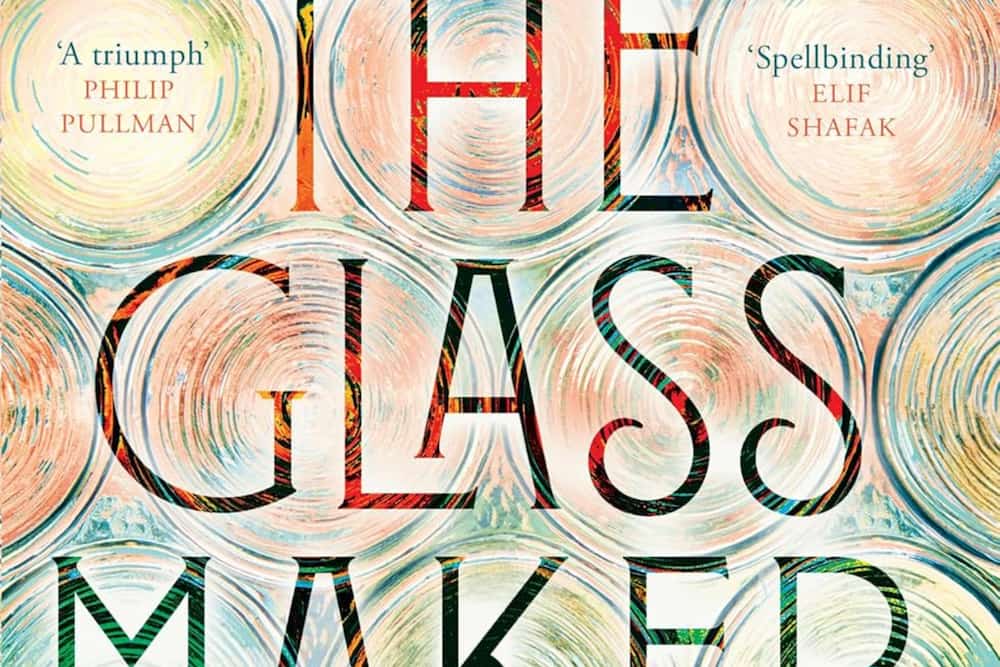
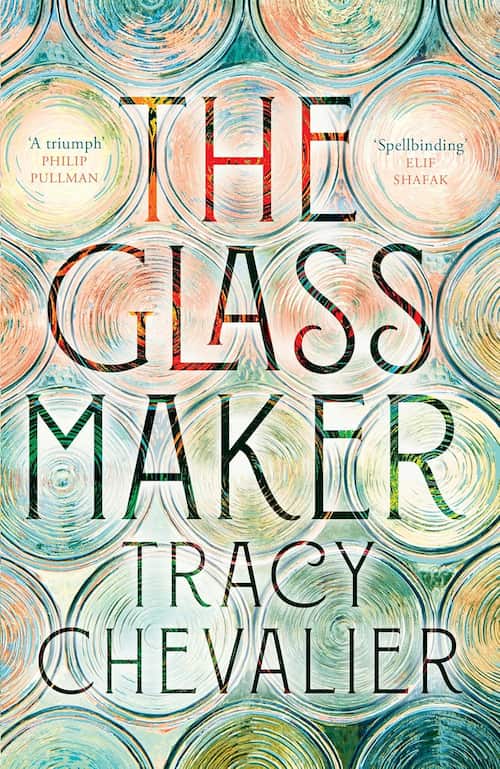
The Borrowers Book Group at Kesgrave Library share their thoughts on The Glassmaker by Tracy Chevalier, a spellbinding portrait of a woman, a family and a city that are as everlasting as their glass.
Interested in reading The Glassmaker? You can borrow a copy from our online catalogue →
About The Glassmaker
Venice, 1486. Across the lagoon lies Murano. Time flows differently here – like the glass the island’s maestros spend their lives learning to handle.
Women are not meant to work with glass, but Orsola Rosso flouts convention to save her family from ruin. She works in secret, knowing her creations must be perfect to be accepted by men. But perfection may take a lifetime.
Skipping like a stone through the centuries, we follow Orsola as she hones her craft through war and plague, tragedy and triumph, love and loss.
The beads she creates will adorn the necks of empresses and courtesans from Paris to Vienna – but will she ever earn the respect of those closest to her?
Book Group Review
This is a very good book which we really enjoyed. Although long, it is easy reading with the dynamics of the family relationships and the dramatic setting of Venice quickly absorbing the reader.
Among the lovely characters are strong women with well portrayed descriptions. One could visualise them all with the arguments, frustrations and mediations of family life and relationships rooted in realism. We particularly liked the central character, Orsola Rosso. With the detailed descriptions of Venice, it became a ‘character in itself’.
The concept of time ‘alla Veneziana’ initially annoyed us skipping from 1486 to 2019 to take in wars, diseases and changing attitudes in society. However, as the book progresses, we warmed to it as a successful vehicle for moving Venice through its changes, particularly the ups and downs of its craft traditions, while the main characters slowly aged. Certainly, a different idea although we had reservations about the abruptness of the ending when Venetian time caught up with that on ‘terraferma’.
As well as learning a lot about the making of glass in Murano, and the unusual development of women making glass beads, this well researched book took in the trading of glassware and beads as well as slavery. The writing about The Plague was very dramatic, very vivid.
Recommendation: A lovely choice for a book-group with lots to discuss as well as being a very enjoyable read.
 English
  Polish
  Lithuanian
  Romanian
  Portuguese
  Bengali