


Our recommended books about the effects of suicide, and how you can help your loved ones through difficult times.
Reach out if you need help:
For more information, visit the Samaritans website.
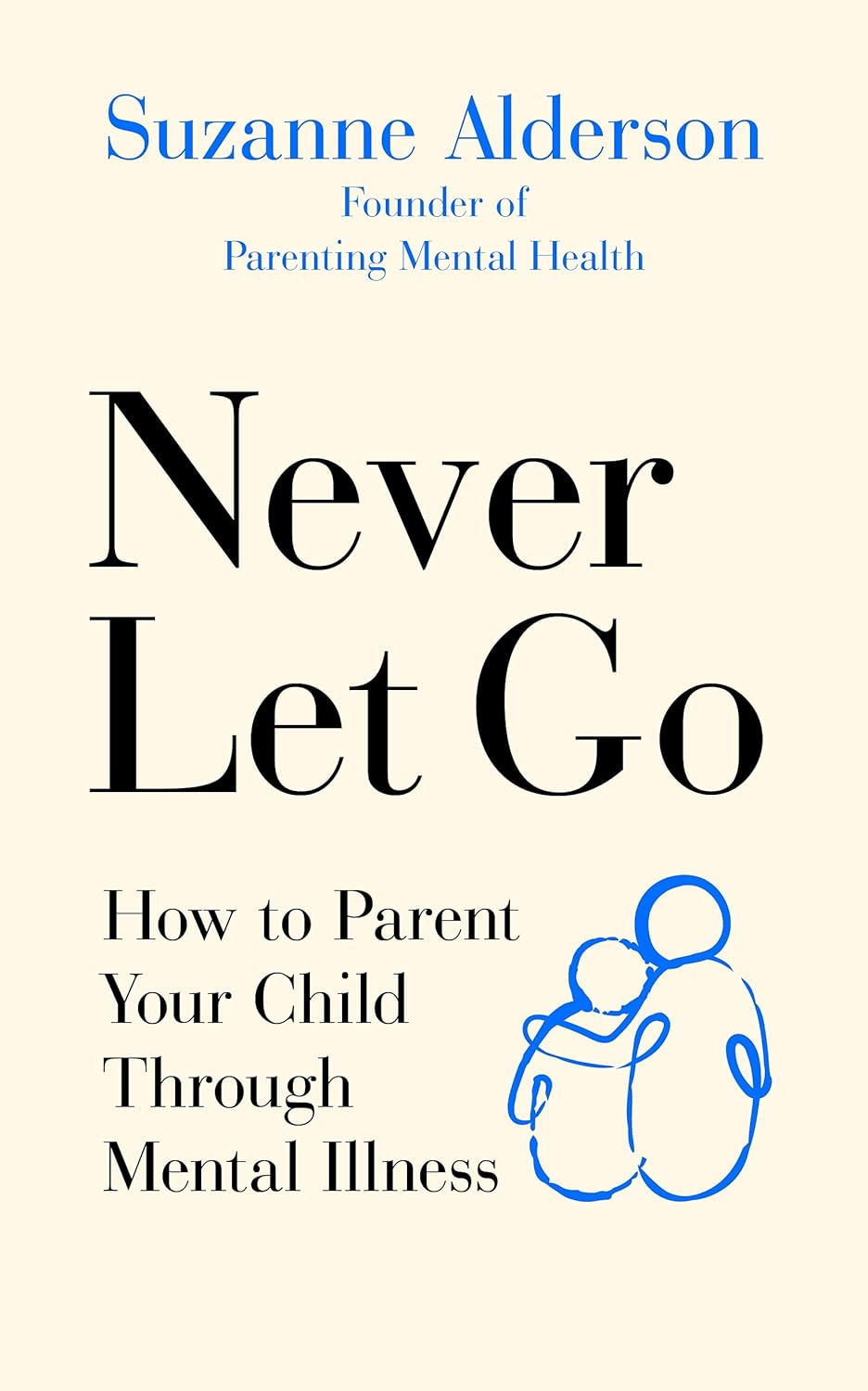
Never Let Go: How to Parent Your Child Through Mental Illness
Suzanne Alderson
A supportive and practical guide for parents looking after a child with a mental illness.
Suzanne Alderson understands the agonising struggle of bringing a child back from the brink of suicide, having spent three years supporting her own daughter through recovery. Her method of ‘partnering, not parenting’ has now helped thousands of other parents through her charity, Parenting Mental Health.
Combining Suzanne’s honest personal experience with expert input from psychologists, this book provides parents with the methods and knowledge they need to support, shield and strengthen their child as they progress towards recovery.
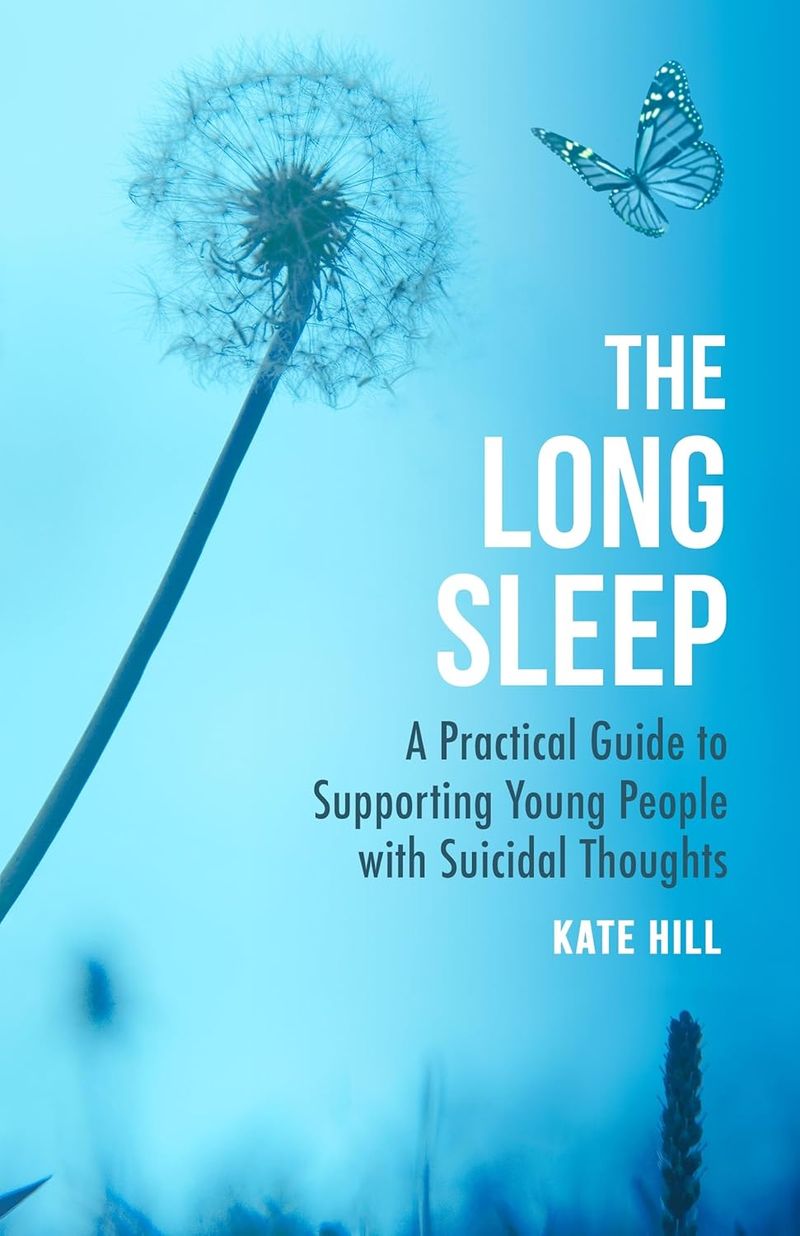
The Long Sleep: A Practical Guide to Supporting Young People With Suicidal Thoughts
Kate Hill
Worldwide, suicide is one of the leading causes of death among young people, and numbers continue to increase. Many more young people have experienced suicidal thoughts, or have self-harmed or attempted suicide. What makes someone particularly vulnerable? Why do proportionally more young men than women resort to suicide? What can be done to support people and prevent young deaths?
‘The Long Sleep’ explores the origins, symptoms and meanings of young peoples’ suicidal crises and argues the need for sensitive responses and improved understanding if current rates are to be curbed. Combining moving accounts from relatives and young attempters with the evidence of extensive research into the subject, Kate Hill offers important and timely insights into an area fraught with fear and denial.
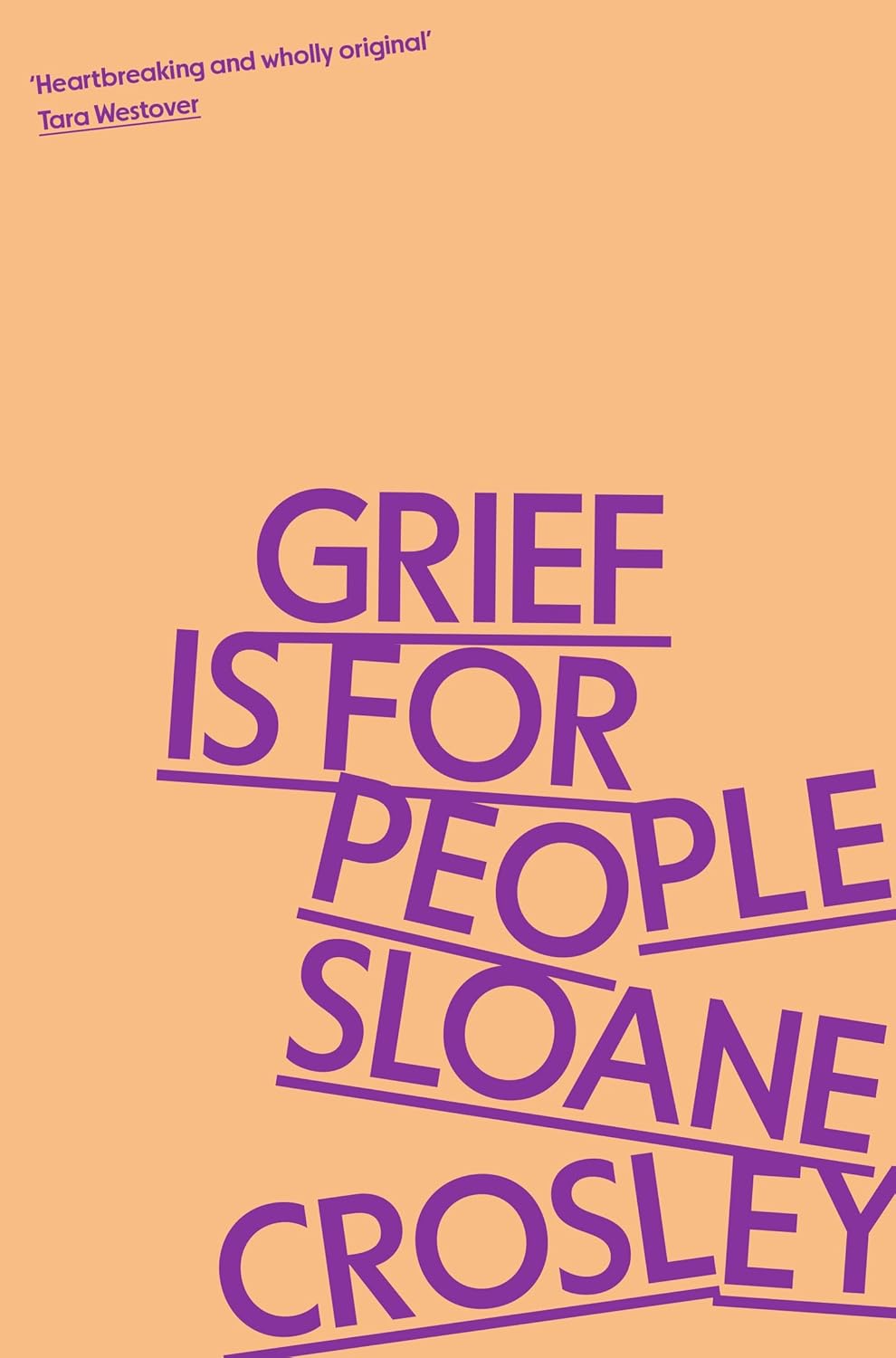
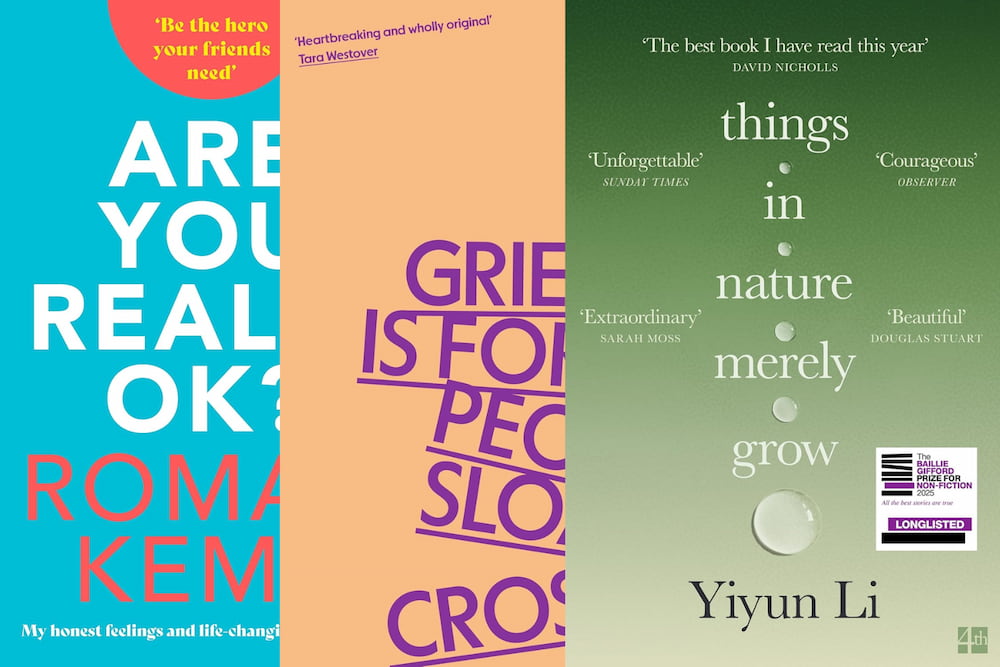
Grief is for People
Sloane Crosley
‘Grief is for People’ is a deeply moving and surprisingly suspenseful portrait of friendship, and a book about loss packed with verve for life.
Sloane Crosley is one of our most renowned observers of contemporary behaviour, and now the pathos that has been ever present in her trademark wit is on full display.
After the pain and confusion of losing her closest friend to suicide, Crosley looks for answers in friends, philosophy, and art, hoping for a framework more useful than the unavoidable stages of grief.
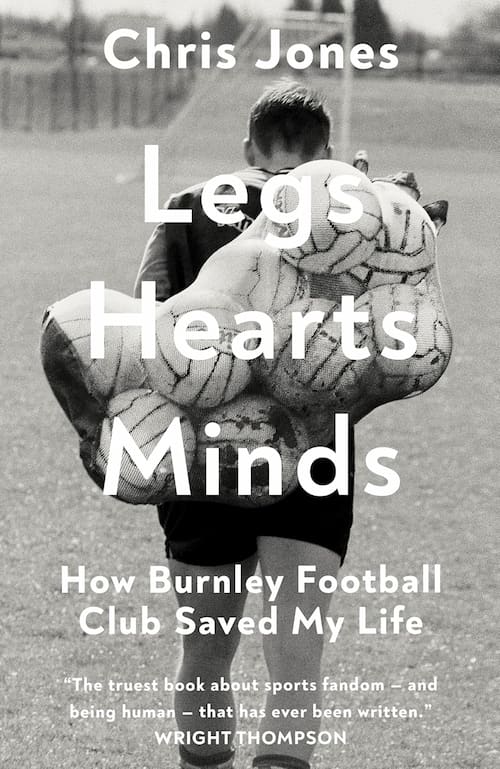
Legs Hearts Minds: How Burnley Football Club Saved My Life
Chris Jones
Returning home from a work trip, too jet-lagged to fall asleep, Chris Jones opened his wife’s laptop intending to get some writing done. Instead, he found a series of text messages that would burn his world to the ground.
In the span of twenty minutes, he lost his wife and his best friend. Overwhelmed by sorrow and often terrifying rage, Jones contemplated suicide. He soon ended up in an emergency room, begging a doctor for help.
That was the start of his journey to understand himself, to come to terms with his mistakes, to let go of anger and find forgiveness, and to give himself over to something outside of himself: an underdog English football team from an underdog northern town called Burnley.
In this searing, beautiful memoir, Jones learns who we are when we care deeply. His journey through heartbreak and healing becomes a moving portrait of modern masculinity – flawed, feeling, and profoundly human.
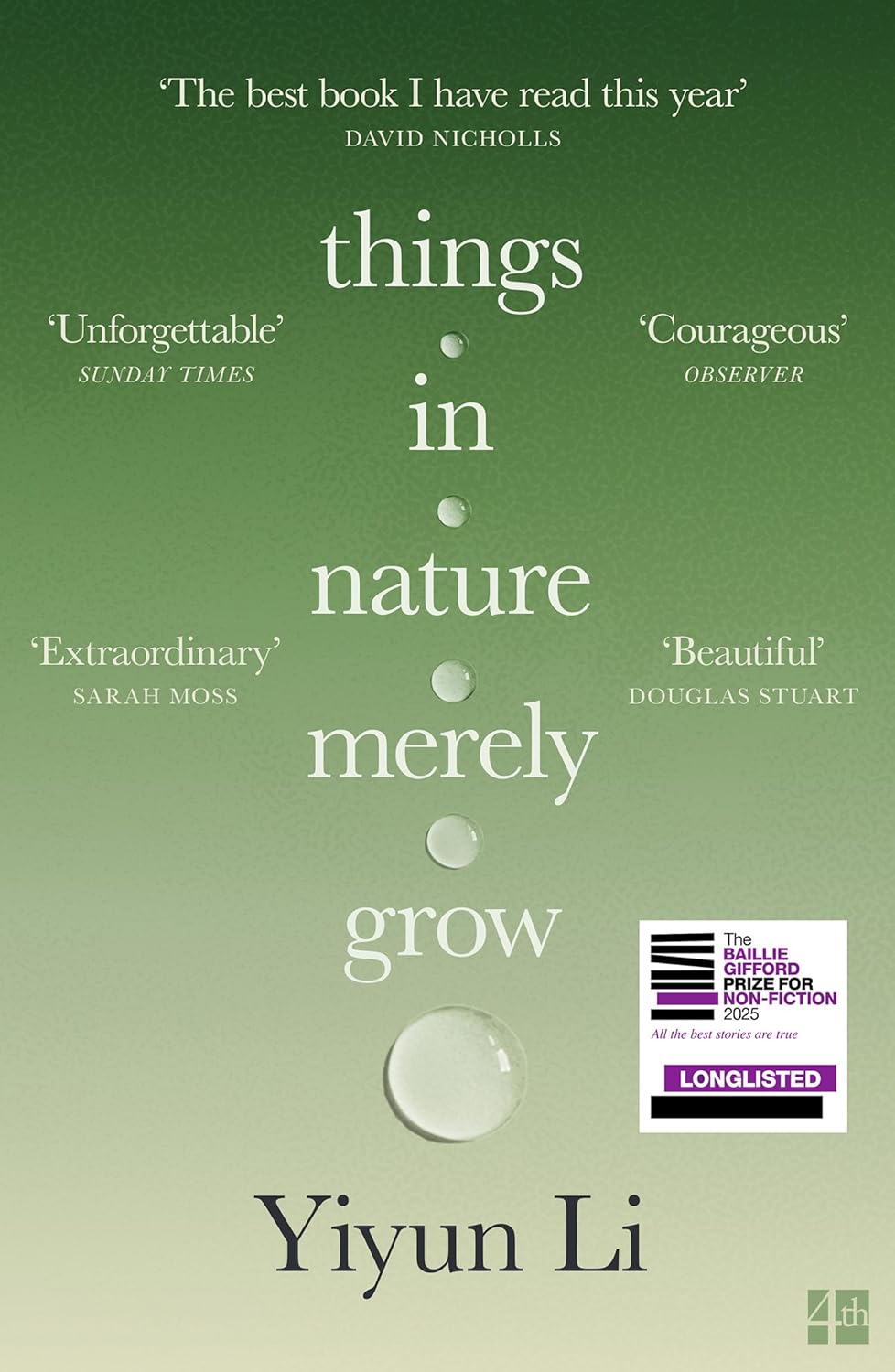
Things in Nature Merely Grow
Yiyun Li
‘There is no good way to state these facts, which must be acknowledged. My husband and I had two children and lost them both: Vincent in 2017, at sixteen, James in 2024, at nineteen. Both chose suicide, and both died not far from home.’
There is no good way to say this – because words fall short. It takes only an instant for death to become fact, ‘a single point in a timeline.’ Living now on this single point, Li turns to thinking and reasoning and searching for words that might hold a place for James.
Li does what she can: including not just writing but gardening, reading Camus and Wittgenstein, learning the piano, and living thinkingly alongside death. This is a book for James, but it is not a book about grieving or mourning.
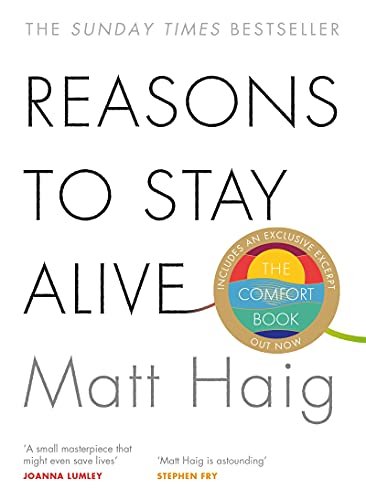
Reasons to Stay Alive
Matt Haig
Aged 24, Matt Haig’s world caved in. He could see no way to go on living. This is the true story of how he came through crisis, triumphed over an illness that almost destroyed him and learned to live again.
A moving, funny and joyous exploration of how to live better, love better and feel more alive, this is more than a memoir: it is a book about making the most of your time on Earth.
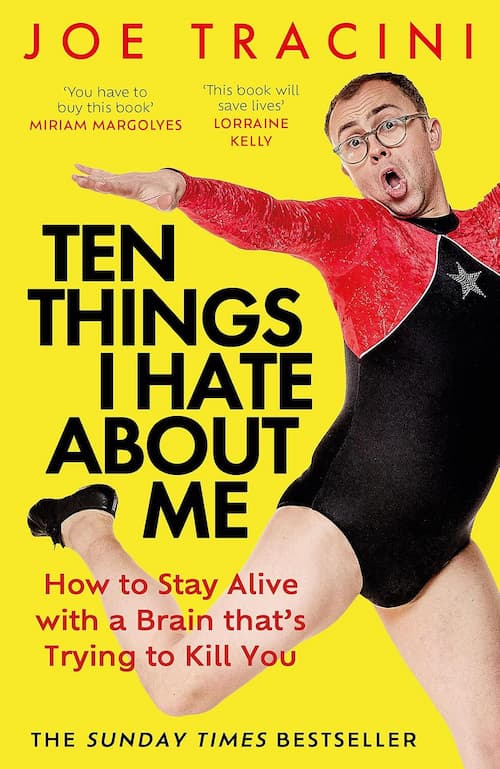
Ten Things I Hate About Me: How to Stay Alive With a Brain That’s Trying to Kill You
Joe Tracini
My name’s Joe, and I have one job, every day: don’t kill myself.
I live with a complex mental illness called Borderline Personality Disorder (BPD). 15% of people with BPD die by suicide, and 40% try. I’m already in the 40%. My job is to keep out of the 15%.
In this book I want to try and explain what life is like when you have a brain that is essentially trying to murder you every day. It’s a collection of the funny, sad and shocking stuff that has happened to me along the way.
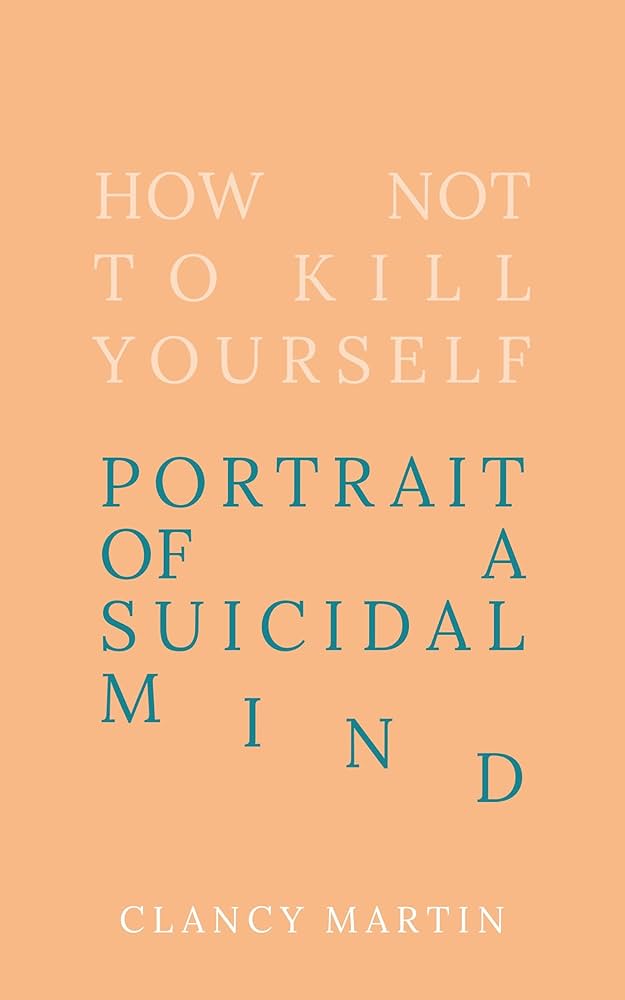
How Not to Kill Yourself: Portrait of a Suicidal Mind
Clancy W. Martin
The last time Clancy Martin tried to kill himself was in his basement with a dog leash. He didn’t write a note. How Not to Kill Yourself is an affirmation of life by someone who has tried to end it multiple times. It’s about standing in your bathroom every morning, gearing yourself up to die. It’s about choosing to go on living anyway.
In an unflinching account of his darkest moments, Clancy Martin makes the case against suicide, drawing on the work of philosophers from Seneca to Jean Améry. Through critical inquiry and practical steps, we might yet answer our existential despair more freely – and with a little more creativity.
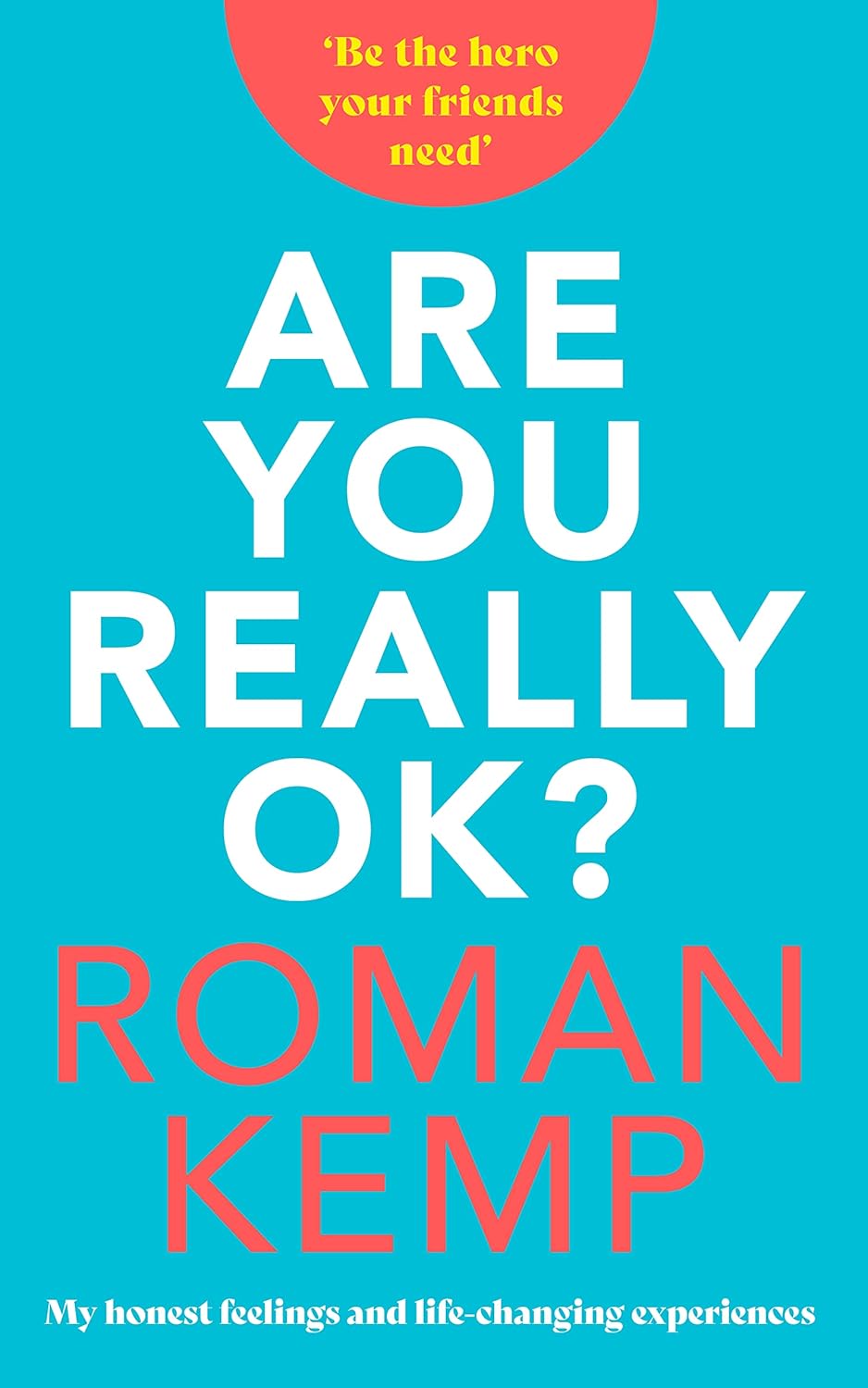
Are You Really Ok?
Roman Kemp
During the pandemic, Roman’s life changed when his best friend – the producer who’d nurtured his career every step of the way – tragically took his own life. Amidst the shock, loss and confusion, Roman bravely made a moving BBC3 documentary about the alarming rates of suicide amongst young males. He’s well aware he too, could have been a statistic.
In this page-turning book – peppered with hilarious and surprising anecdotes from his youth – Roman also unflinchingly tackles the taboo of suicide, in the hope that by talking about his own struggles and sharing advice, he can help others. Roman shares all the experiences that have shaped him, and why love, marriage and having his own family one day are so important to his future dreams.
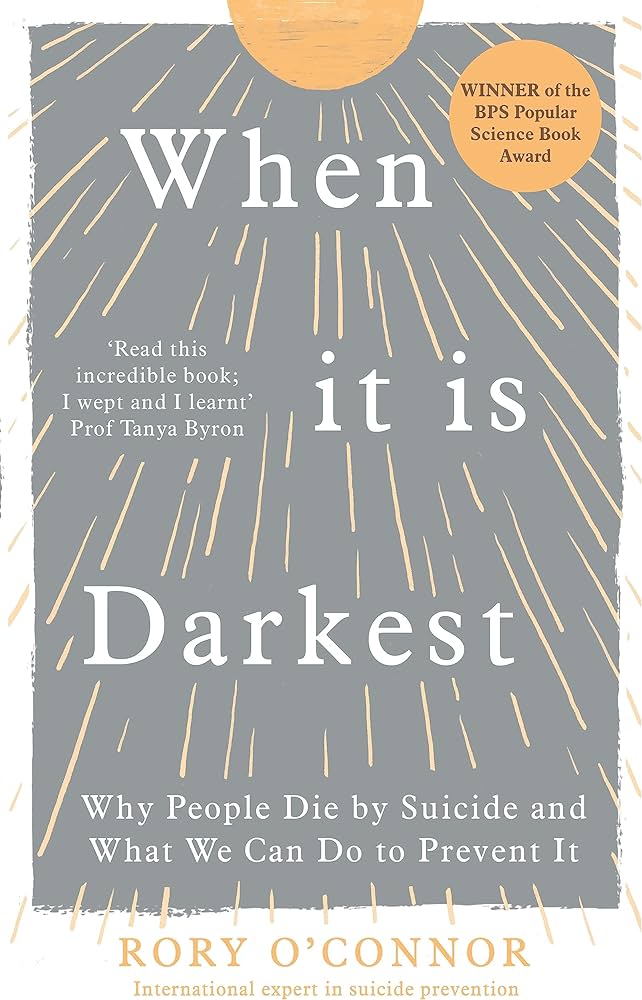
When It is Darkest: Why People Die by Suicide and What We Can Do to Prevent It
Rory C. O’Connor
When you are faced with the unthinkable, this is the book you can turn to. Suicide is baffling and devastating in equal measures, and it can affect any one of us: one person dies by suicide every 40 seconds. Yet despite the scale of the devastation, for family members and friends, suicide is still poorly understood.
Drawing on decades of work in the field of suicide prevention and research, and having been bereaved by suicide twice, Professor O’Connor is here to help. This book will untangle the complex reasons behind suicide and dispel any unhelpful myths. For those trying to help someone vulnerable, it will provide indispensable advice on communication, stressing the importance of listening to fears and anxieties without judgment.
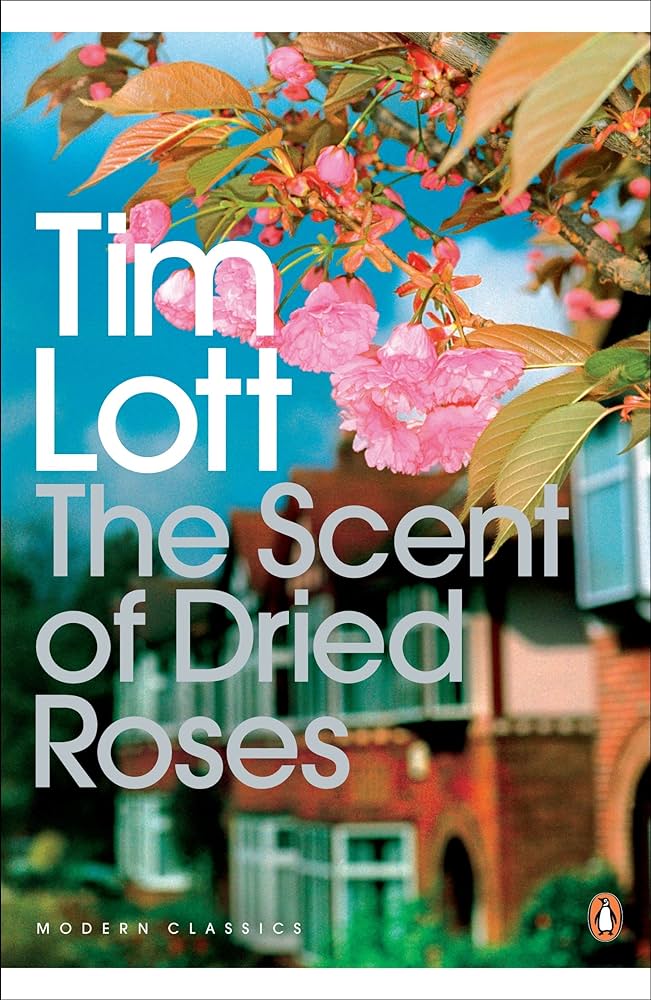
The Scent of Dried Roses
Tim Lott
Tim Lott’s parents, Jack and Jean, met at the Empire Snooker Hall, Ealing, in 1951, in a world that to him now seems ‘as strange as China’. In this extraordinarily moving exploration of his parents’ lives, his mother’s inexplicable suicide in her late fifties and his own bouts of depression, Tim Lott conjures up the pebble-dashed home of his childhood and the rapidly changing landscape of postwar suburban England.
It is a story of grief, loss and dislocation, yet also of the power of memory and the bonds of family love.
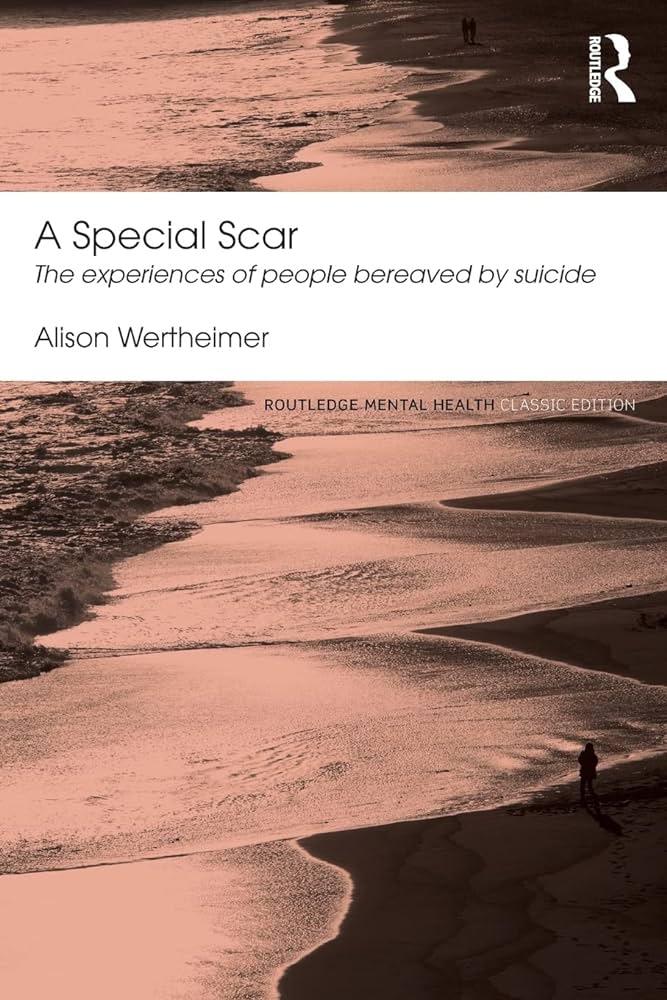
A Special Scar: the Experiences of People Bereaved by Suicide
Alison Wertheimer
Every 85 minutes someone in the UK takes their own life and the suicide rate is currently the highest since 2004. Society often reacts with unease, fear and even disapproval but what happens to those bereaved by a self-inflicted death?
A Special Scar looks in detail at the impact of suicide and offers practical help for survivors, relatives and friends of people who have taken their own life. Fifty bereaved people tell their stories, showing us that, by not hiding the truth from themselves and others they have been able to learn to live with the suicide, offering hope to others facing this traumatic loss.
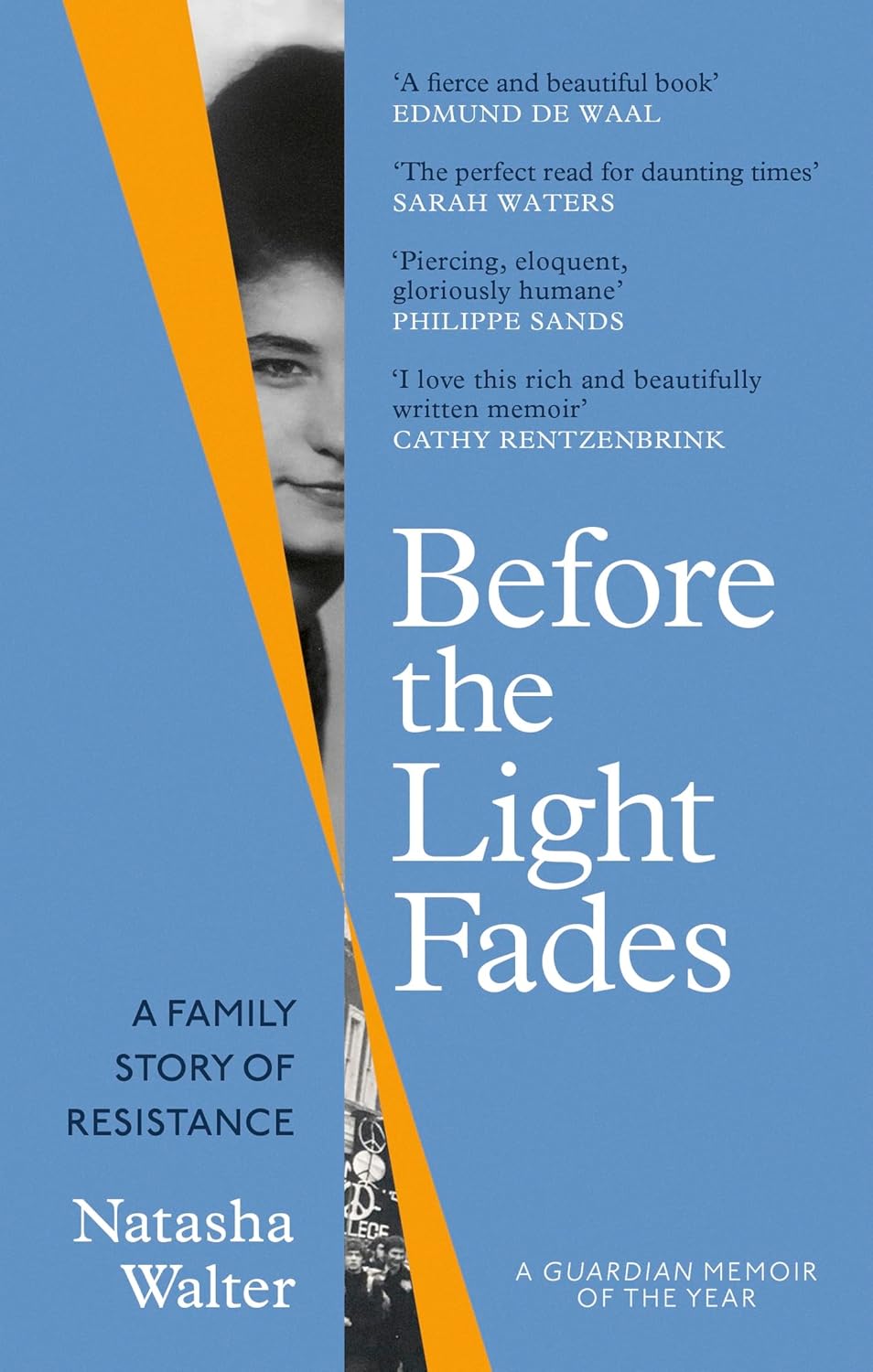
Before the Light Fades: A Memoir of Grief and Resistance
Natasha Walter
After the sudden death of her mother at age 75, Natasha Walter was thrown into a time of bewilderment and sadness. It was only when she began to search back through Ruth’s history, that she began to understand how her life led to death by her own hand.
Honest about loss, this memoir also searches for what is valuable in the legacy of a family who lived through some of the great crises of the twentieth century. Without false hope, and with honest passion, Natasha Walter shows us why, even when success is far from assured, it is always important to stand up for what you believe.
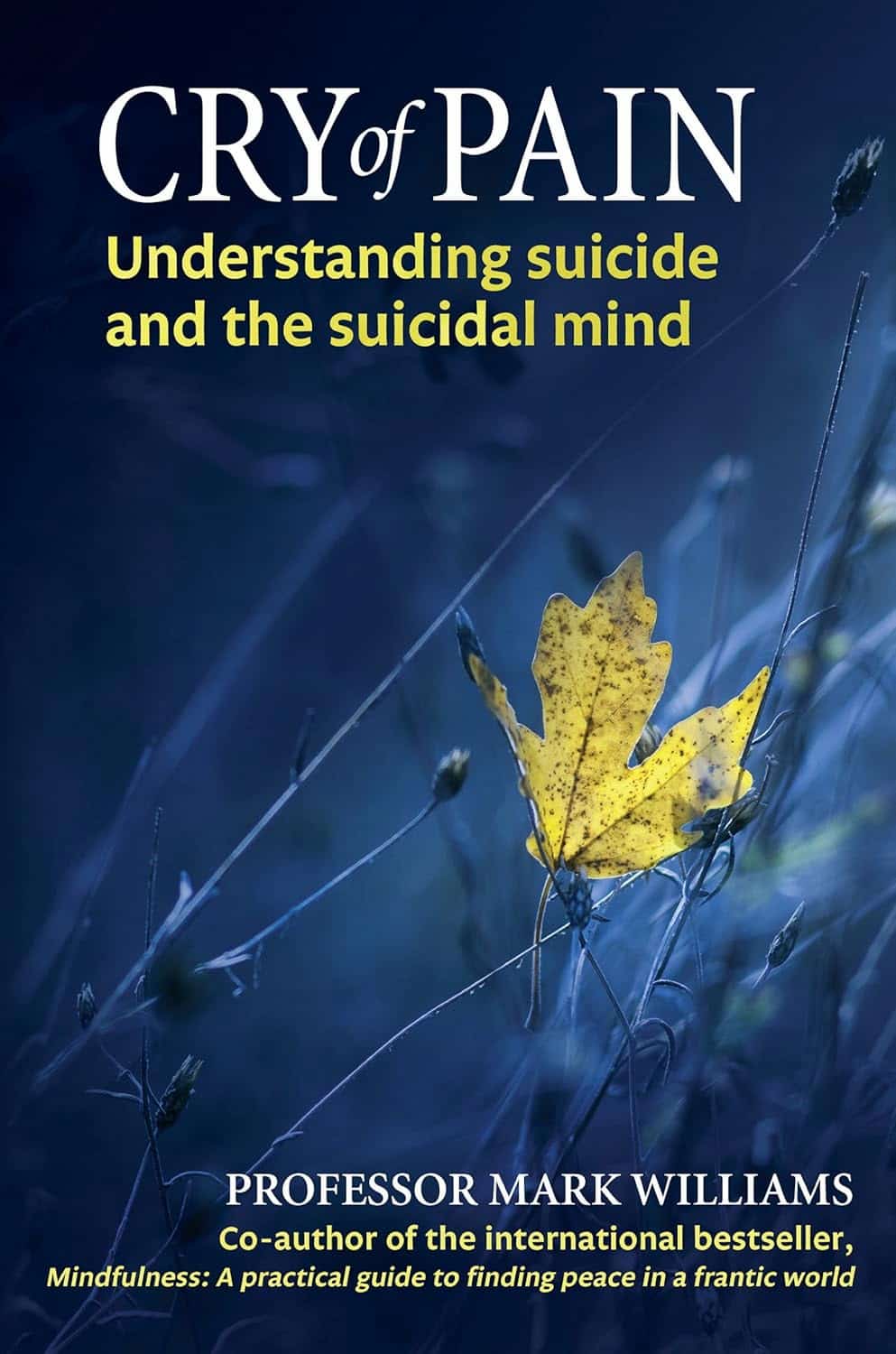
Cry of Pain: Understanding Suicide and the Suicidal Mind
Mark Williams
‘Cry of Pain’ examines the evidence from a social, psychological and biological perspective to see if there are common features that might shed light on suicide.
Informative and sympathetically written, it is essential reading for therapists and mental health professionals as well as those struggling with suicidal feelings, their families and friends.
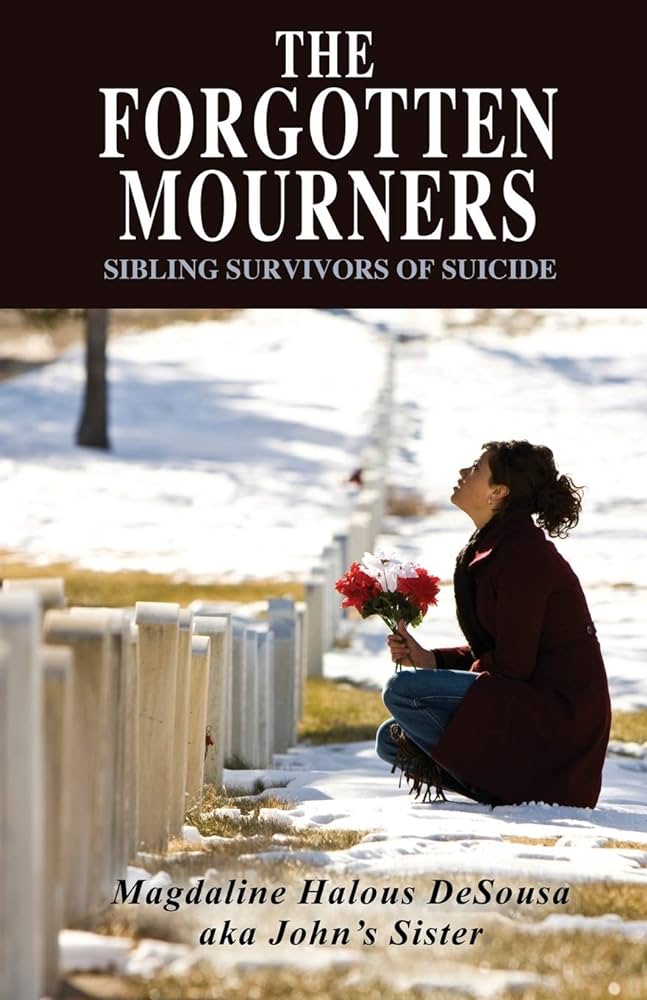
The Forgotten Mourners: Sibling Survivors of Suicide
Magdaline Halous DeSousa
This book is meant for anyone who has lost a brother or sister to suicide – and those who want to support them. Any loss is difficult, but a loss to suicide is heightened because of the helplessness and confusion surrounding it. A sibling loss to suicide is even more unique because the sibling(s) left behind are often forgotten – mourning the loss of their brother or sister alone in the shadows of their parents’ grief.
Magdaline answers questions directly from her experience following the loss of her 18 year-old brother, John, to suicide in November 2001. Hopefully, her story will give readers a small piece of strength, faith, and peace in navigating the long road to healing ahead.
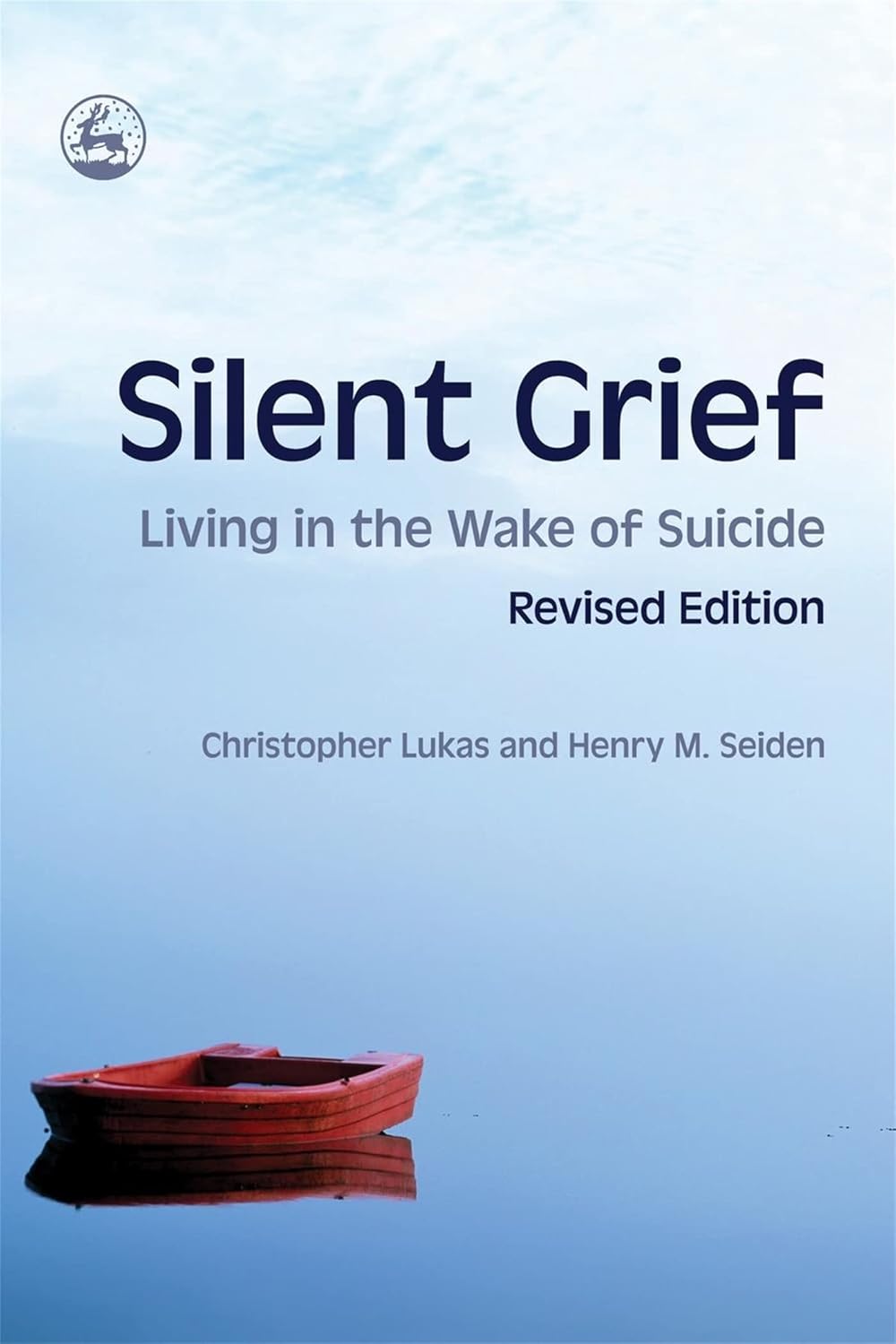
Silent Grief: Living in the Wake of Suicide
Christopher Lukas and Henry M. Seiden
Silent Grief is a book for and about “suicide survivors” – those who have been left behind by the suicide of a friend or loved one. Author Christopher Lukas is a suicide survivor himself – several members of his family have taken their own lives – and the book draws on his own experiences, as well as those of numerous other suicide survivors. These personal testimonies are combined with the professional expertise of Henry M. Seiden, a psychologist and psychoanalytic psychotherapist.
The authors present information on common experiences of bereavement, grief reactions and various ways of coping. Their message is that it is important to share one’s experience of “survival” with others and they encourage survivors to overcome the perceived stigma or shame associated with suicide and to seek support from self-help groups, psychotherapy, family therapy, Internet support forums or simply a friend or family member who will listen.
 English
  Polish
  Lithuanian
  Romanian
  Portuguese
  Bengali